5 เมษายน 2026 · 10 นาทีที่อ่าน · โดย Tim
สงกรานต์ บนเกาะสมุย: เทศกาลสงกรานต์แห่งความสุข
ทุกวันที่ 13 เมษายน บรรยากาศบนเกาะสมุยจะเปลี่ยนไป ช่วงเช้าจะเต็มไปด้วยความสงบ—ภาพพระสงฆ์พรมน้ำมนต์ที่วัดปลายแหลม ครอบครัวถือขันน้ำปรุงกลิ่นดอกไม้ขึ้นบันไดวัด และกลิ่นหอมของมะลิที่อบอวลในอากาศ พอตกบ่าย ถนนเลียบหาดเฉวง จะกลายเป็นกำแพงปืนฉีดน้ำที่มีชีวิต รถกระบะบรรทุกถังน้ำแข็ง และเด็กๆ ที่เฝ้ารอวันนี้มาตลอดทั้งปี นี่คือสงกรานต์ หรือวันขึ้นปีใหม่ไทย และเป็นสัปดาห์ที่เกาะสมุยมีชีวิตชีวาที่สุดในรอบปี
หากคุณกำลังวางแผนมาพักผ่อนที่นี่ หรือกำลังลังเลว่าควรจัดทริปให้ตรงกับช่วงนี้ดีไหม คู่มือฉบับนี้จะบอกเล่าสิ่งที่จะเกิดขึ้นในแต่ละพื้นที่ บรรยากาศวันสงกรานต์ เมื่อมองจากวิลล่า รวมถึงรายละเอียดเล็กๆ น้อยๆ ที่ควรทราบ ทั้งเรื่องการเดินทาง การแต่งกาย และมารยาทในวัด เพื่อให้สัปดาห์นี้เป็นความทรงจำที่น่าประทับใจแทนที่จะเป็นความวุ่นวาย สำหรับภาพรวมของเทศกาลอื่นๆ ตลอดปี ปฏิทินกิจกรรมและวันหยุดเกาะสมุย ของเราได้รวบรวมข้อมูลของสงกรานต์ ไว้ควบคู่กับลอยกระทง งานแข่งเรือใบ และช่วงพีคซีซั่นอย่างคริสต์มาส
ความหมายที่แท้จริงของสงกรานต์
สงกรานต์ คือวันขึ้นปีใหม่ตามปฏิทินสุริยคติแบบไทย ชื่อนี้มาจากคำว่าสงกรานต์ ในภาษาสันสกฤต หมายถึง "การย้าย" หรือการที่ดวงอาทิตย์เคลื่อนย้ายจากราศีมีนเข้าสู่ราศีเมษ เป็นเวลาหลายศตวรรษที่เทศกาลนี้เป็นประเพณีของครอบครัวและพุทธศาสนิกชน ทั้งการเข้าวัดทำบุญ การสรงน้ำพระ การรดน้ำดำหัวขอพรจากผู้ใหญ่เพื่อแสดงความเคารพ และการทำความสะอาดบ้านเรือนเพื่อต้อนรับปีใหม่ด้วยความสดใส
การเล่นน้ำที่ชาวต่างชาติคุ้นตาคือการต่อยอดจากประเพณีเดิม—เป็นการขยายภาพของการประพรมน้ำให้ใหญ่ขึ้น ผสมผสานกับอากาศที่ร้อนระอุในเดือนเมษายนและความสามารถของคนไทยในการเปลี่ยนพิธีกรรมให้เป็นการเฉลิมฉลอง ซึ่งทั้งสองมิตินี้ยังคงดำรงอยู่คู่กันบนเกาะสมุย เคล็ดลับคือการรู้ว่าควรไปที่ไหนและเมื่อไหร่จึงจะได้สัมผัสบรรยากาศในแบบที่คุณต้องการ
สามวันอย่างเป็นทางการ
13 เมษายน — วันมหาสงกรานต์
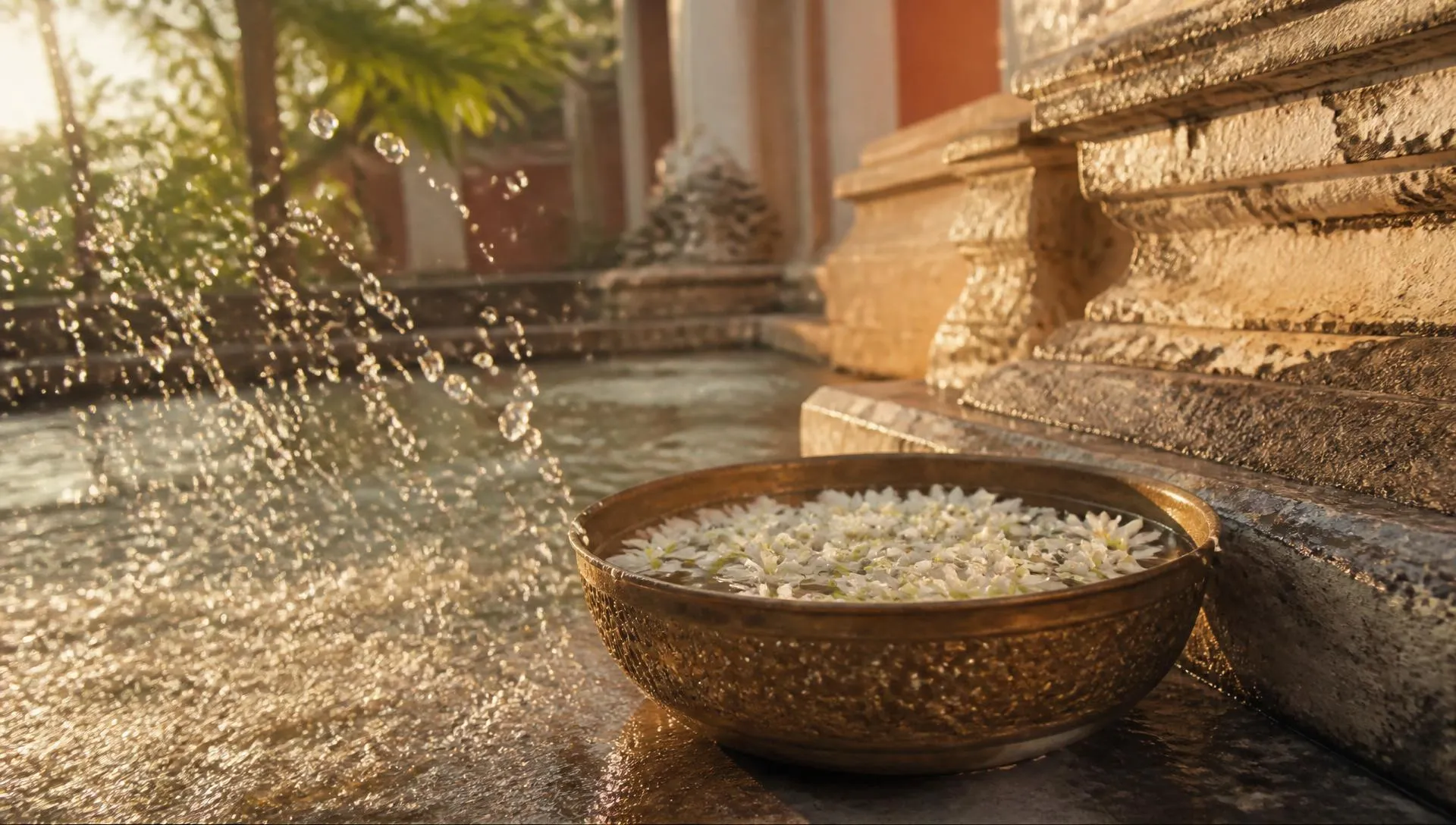
วันแรกคือวันที่มีพิธีกรรมมากที่สุด ในช่วงเช้าตรู่จะมีพิธีทำบุญตามวัดสำคัญทั่วเกาะ ที่ วัดปลายแหลมและวัดต่างๆ ในบ่อผุด คุณจะได้เห็นครอบครัวสวมชุดไทย ถือขันเงินหรือขันทองเหลืองที่ใส่น้ำลอยดอกมะลิและกลีบกุหลาบ มีการตักบาตร สรงน้ำพระ และรดน้ำดำหัวผู้ใหญ่
เมื่อเข้าสู่ช่วงสาย อารมณ์ของเกาะจะเริ่มเปลี่ยนไป ถังน้ำถูกยกขึ้นหลังรถกระบะ ถนนเลียบหาดเฉวง ย่านใจกลางละไม และแม่น้ำในบ่อผุด จะเต็มไปด้วยชาวบ้านและนักท่องเที่ยวที่มาพร้อมปืนฉีดน้ำและถังน้ำในมือ มีเสียงเพลงดังมาจากบาร์ทุกแห่ง ท่ามกลางอุณหภูมิ 33–35 องศาเซลเซียส การได้เปียกปอนด้วยน้ำเย็นๆ จึงเป็นเรื่องที่น่ายินดีอย่างยิ่ง
14 เมษายน — วันเนา
วันเปลี่ยนผ่านซึ่งตามธรรมเนียมเดิมเป็นวันเตรียมอาหารและของทำบุญสำหรับวันถัดไป แต่ในทางปฏิบัติบนเกาะสมุย การเล่นน้ำยังคงดำเนินไปอย่างเข้มข้น และมักจะเป็นวันที่คึกคักที่สุดบนถนนเลียบหาดเฉวง
15 เมษายน — วันเถลิงศก
วันขึ้นปีใหม่ทางจันทรคติอย่างเป็นทางการ การเข้าวัดทำบุญในช่วงเช้าจะกลับมาคึกคักอีกครั้ง พอถึงช่วงบ่าย การเล่นน้ำจะเริ่มลดระดับความแรงลงอย่างเห็นได้ชัดเมื่อเทียบกับวันที่ 13–14 เมษายน แม้ในบางจุดของหาดเฉวงและบ่อผุดจะยังคงเล่นกันต่อไปจนถึงช่วงค่ำ แต่เมื่อถึงเช้าวันที่ 16 เมษายน ทั้งเกาะจะกลับคืนสู่ความสงบอีกครั้ง
จุดไหนที่ครึกครื้น และจุดไหนที่เงียบสงบ
บรรยากาศของสงกรานต์ ไม่ได้คึกคักเท่ากันทุกจุดบนเกาะสมุย การเข้าใจภูมิศาสตร์ของเกาะจึงเป็นเรื่องสำคัญ โดยเฉพาะหากคุณต้องการสลับโหมดระหว่างเช้าอันเงียบสงบในวิลล่ากับช่วงบ่ายที่เต็มไปด้วยความสนุกสนาน
- ถนนเลียบหาดเฉวง — จุดที่เสียงดังที่สุด ชุ่มฉ่ำที่สุด และหนาแน่นที่สุดบนเกาะ เต็มไปด้วยเครื่องเสียง เครื่องทำโฟม และถังน้ำแข็ง แนะนำให้เดินเท้าและแต่งตัวพร้อมเปียกโชกได้เลย
- แยกกลางละไม — บรรยากาศคล้ายเฉวง แต่ขนาดย่อมกว่าและมีความเป็นท้องถิ่นมากกว่า มีสตรีทฟู้ดรสเลิศให้เลือกชิมระหว่างเล่นน้ำ
- หมู่บ้านชาวประมง และบ่อผุด — สถานที่ฉลองที่ถ่ายรูปสวยที่สุดบนเกาะ ด้วยถนนสายแคบขนาบด้วยตึกแถวไม้โบราณ คาเฟ่ต่างๆ เปลี่ยนระเบียงเป็นลานเล่นน้ำ ผู้คนน่ารักและเป็นกันเองกว่าเฉวง
- ตัวเมืองหน้าทอน — เงียบสงบ เน้นวิถีท้องถิ่นและครอบครัว มีขบวนแห่เล็กๆ และพิธีกรรมในวัดโดยไม่มีความวุ่นวายของปาร์ตี้
- อ่าวตลิ่งงาม, บางปอ, ลิปะน้อย, Laem Yai และเชิงมน — พื้นที่เหล่านี้แทบไม่ได้รับผลกระทบ คุณสามารถเดินทางระหว่างวิลล่าและชายหาดได้โดยไม่เปียกหากเลือกพักผ่อนแถวนี้ในช่วงเช้า
วิลล่าของเราตั้งอยู่บนแหลมเฉวงน้อย ซึ่งเป็นเนินเขาอันเงียบสงบทางตอนใต้ของเฉวง ทำเลนี้เหมาะมากในช่วงสงกรานต์ เพราะคุณอยู่ไม่ไกลจากหมู่บ้านชาวประมง หรือถนนเลียบหาดเฉวง เมื่อต้องการกระโดดเข้าสู่สมรภูมิน้ำ และสามารถกลับขึ้นมาพักผ่อนข้างบนได้ในเวลาเพียง 20 นาที วิลล่าอย่าง Villa Osho, Paradise Villa Elysium และ Sky Dream Villa ช่วยให้คุณเลือกกำหนดระดับความสนุกของสงกรานต์ ได้แบบชั่วโมงต่อชั่วโมง แทนที่จะต้องจมอยู่ท่ามกลางความวุ่นวายตลอดเวลา
หนึ่งวันในสงกรานต์ จากมุมมองในวิลล่า
วันที่วางแผนมาอย่างดีบนเกาะสมุย ในช่วงสงกรานต์ มักเริ่มต้นด้วยมื้อเช้าแบบสโลว์ไลฟ์บนระเบียง จากนั้นไปเยี่ยมชม วัดต่างๆ บนเกาะ ช่วง 8 ถึง 10 โมงเช้าก่อนที่การเล่นน้ำจะเริ่มขึ้น กลับมาทานมื้อเที่ยงเงียบๆ ที่วิลล่าซึ่งปรุงโดยเชฟส่วนตัวหรือให้ผู้จัดการวิลล่าจัดหามาให้ หากคุณต้องการสัมผัสประสบการณ์เต็มรูปแบบ รถรับส่งส่วนตัวจะพาคุณเข้าสู่หมู่บ้านชาวประมง หรือเฉวง ในช่วงบ่าย อย่าลืมซองกันน้ำสำหรับมือถือ เสื้อผ้าแห้งไว และไม่พกของมีค่า จากนั้นรถจะรอรับคุณกลับเมื่อคุณสนุกจนพอใจ เมื่อถึงวิลล่าคุณจะได้อาบน้ำอุ่นกลางแจ้ง เปลี่ยนชุดใหม่ และปิดท้ายด้วยมื้อค่ำมื้อยาวริมสระว่ายน้ำ
จังหวะชีวิตแบบนี้คือเหตุผลที่วิลล่าตอบโจทย์สงกรานต์ ได้ดีกว่าโรงแรมติดหาด เพราะคุณสามารถเลือกเข้าร่วมเทศกาลหรือปลีกตัวออกมาได้ภายใน 20 นาที วิลล่าขนาดใหญ่อย่าง Sky Dream Villa บนเขาเฉวงน้อย มอบมุมมองจากมุมสูงที่เปี่ยมด้วยความเป็นส่วนตัวเหนือพื้นที่เล่นน้ำ พร้อมสระว่ายน้ำให้คุณกลับมาพักผ่อนเมื่อบรรยากาศบนท้องถนนเริ่มส่งเสียงดังเกินไป
มารยาทการเข้าวัดในช่วงสงกรานต์
หากคุณเข้าวัดในช่วงทำพิธี (ปกติคือ 7–10 โมงเช้า) การเตรียมตัวสักเล็กน้อยจะช่วยให้ทุกอย่างราบรื่น
- การแต่งกาย — คลุมไหล่และเข่าให้มิดชิดสงกรานต์ ไม่ใช่ข้อยกเว้นในการละเลยระเบียบการแต่งกาย ผ้าลินินเนื้อบางเบาเป็นทางเลือกที่ดี
- ขันน้ำ — คุณสามารถซื้อขันทองเหลืองใบเล็กหน้าวัด เติมน้ำลอยดอกมะลิจากโต๊ะเครื่องสักการะ เพื่อสรงน้ำพระพุทธรูปหรือรดน้ำขอพรจากพระสงฆ์ตามสมควร แนะนำให้สอบถามหรือสังเกตสิ่งที่คนท้องถิ่นทำก่อน
- ถอดรองเท้า — ทุกครั้งก่อนเข้าสู่อาคารของวัด
- การถ่ายรูป — ถ่ายได้ตามลานวัด แต่ภายในอุโบสถโปรดสังเกตป้ายเตือน และไม่ควรยืนหันหลังให้พระพุทธรูปเพื่อถ่ายเซลฟี่
- การตักบาตร — หากคุณร่วมตักบาตรในช่วงเช้าตรู่ ให้คุกเข่าหรือย่อตัวลงเพื่อไม่ให้ศีรษะอยู่สูงกว่าพระสงฆ์
การเดินทางและความปลอดภัย
สงกรานต์ คือสัปดาห์ที่อันตรายที่สุดบนท้องถนนในไทย โดยสถิติอุบัติเหตุทั่วประเทศจะพุ่งสูงขึ้นในช่วงวันที่ 13 ถึง 15 เมษายน และรถสกู๊ตเตอร์คือพาหนะหลักที่เกิดอุบัติเหตุบนเกาะสมุย ถนนที่เปียกลื่น ทัศนวิสัยที่ลดลงเมื่อมีน้ำสาดกระจกหน้ารถ รวมถึงการดื่มแอลกอฮอล์ที่สูงกว่าสัปดาห์ไหนๆ ในรอบปี คือปัจจัยที่ต้องระวัง
คำแนะนำสำคัญสองประการจากเรา:
- เลี่ยงการใช้สกู๊ตเตอร์ในช่วงสัปดาห์สงกรานต์ — หากคุณวางแผนจะเช่ารถขับเอง เราแนะนำให้ใช้บริการ คนขับรถส่วนตัว แทน ซึ่งราคาไม่แพงและปลอดภัยกว่ามาก
- จองรถรับส่งสนามบินล่วงหน้า — การจราจรบนถนนรอบเกาะจะเคลื่อนตัวช้าลงอย่างมากระหว่างวันที่ 12 ถึง 16 เมษายน และเส้นทางไปสนามบินผ่านบ่อผุด จะต้องตัดตรงเข้าไปยังโซนที่มีการเล่นน้ำ
สำหรับรายละเอียดตัวเลือกการเดินทางบนเกาะแบบเจาะลึก สามารถอ่านต่อได้ที่คู่มือ การเดินทางในเกาะสมุย
สภาพอากาศในช่วงสงกรานต์
ช่วงกลางเดือนเมษายนคือช่วงท้ายของฤดูร้อนในเกาะสมุย เตรียมพบกับอุณหภูมิ 33–36 องศาเซลเซียสในตอนกลางวัน ความชื้นสูง และท้องฟ้าที่สดใสเป็นส่วนใหญ่ โดยอาจมีฝนไล่ช้างในช่วงบ่ายแก่ๆ อุณหภูมิน้ำทะเลอยู่ที่ประมาณ 30 องศาเซลเซียส ซึ่งให้ความรู้สึกอุ่นมากกว่าจะเย็นสดชื่น ความร้อนระดับนี้เองที่ทำให้สงกรานต์ ลงตัวที่สุด เพราะการสาดน้ำคือการคลายร้อนที่ทุกคนรอคอย
หากคุณกำลังเปรียบเทียบเดือนเมษายนกับช่วงเวลาอื่น คู่มือสภาพอากาศรายเดือน ของเราได้สรุปสิ่งที่จะเกิดขึ้นทั้งก่อนและหลังช่วงเทศกาลไว้ให้แล้ว
คุณควรวางแผนมาเที่ยวช่วงนี้ดีไหม
ควรมาอย่างยิ่ง หากคุณอยากสัมผัสวัฒนธรรมไทย เดินทางพร้อมเด็กโตหรือวัยรุ่นที่จะต้องหลงรักการเล่นน้ำ และไม่ติดขัดกับการวางแผนล่วงหน้าในช่วงที่คึกคักที่สุดของฤดูกาลท่องเที่ยว หรือหากคุณอยากพักผ่อนในโซนที่เงียบสงบของเกาะแล้วค่อยออกไปร่วมสนุกกับเทศกาลตามความต้องการของตัวเอง
แต่อาจจะไม่ตอบโจทย์นัก หากคุณกำลังมองหาสัปดาห์ดื่มน้ำผึ้งพระจันทร์ที่เงียบสงบ อยากขี่สกู๊ตเตอร์ไปตามหาดต่างๆ ตลอดวัน หรือเดินทางพร้อมเด็กอ่อนที่ต้องการเวลาพักผ่อนแบบไม่มีเสียงรบกวน ในกรณีนี้ ช่วงต้นเดือนหรือสัปดาห์สุดท้ายของเมษายนที่คาบเกี่ยวสงกรานต์ จะให้สภาพอากาศที่เหมือนกันแต่ไม่วุ่นวายเท่า
มุมมองในแบบของเรา
เราดูแลแขกมาแล้วมากมายหลายสัปดาห์ในช่วงสงกรานต์ วิธีการของเรานั้นเรียบง่าย คือการจับคู่ที่พักที่ใช่ในทำเลที่ถูกต้องตามระดับความต้องการร่วมเทศกาลของคุณ บรีฟงานกับผู้จัดการวิลล่าและคนขับรถส่วนตัวตามแผนที่วางไว้ พร้อมตุนเครื่องดื่มเย็นฉ่ำและผ้าเช็ดตัวแห้งไวให้พร้อมตั้งแต่วันแรกสงกรานต์ จะไม่มีอะไรยุ่งยากเลยหากเตรียมการด้านโลจิสติกส์ไว้ล่วงหน้า
หากคุณต้องการให้เราคัดสรรที่พักตามวันที่คุณเดินทาง สามารถส่งข้อความมาหาเราได้ ทีมงานของเราบนเกาะจะรีบตอบกลับคุณภายในหนึ่งวันทำการ
คำถามที่พบบ่อย
สงกรานต์ คือวันขึ้นปีใหม่ของไทยและถือเป็นวันหยุดราชการทั่วประเทศตั้งแต่วันที่ 13 ถึง 15 เมษายนของทุกปี สำหรับบนเกาะสมุย การฉลองน้ำมักจะเริ่มก่อนหนึ่งวันและยาวไปถึงเย็นวันที่ 15 เมษายน ดังนั้นควรเตรียมตัวพบกับบรรยากาศเทศกาลบนถนนสายหลักตลอดทั้งสี่วัน
แน่นอนเกาะสมุย มอบประสบการณ์ให้คุณได้ทั้งสองด้าน ทั้งพิธีทำบุญที่วัดอย่างสงบและมีความหมายในช่วงเช้า และการเล่นน้ำที่สนุกสนานในช่วงบ่ายบนถนนเลียบหาดเฉวง, ละไม และหมู่บ้านชาวประมง เนื่องจากบนเกาะมีความหนาแน่นน้อยกว่ากรุงเทพฯ หรือเชียงใหม่ จึงเหมาะมากสำหรับครอบครัวและผู้ที่มาเยือนเป็นครั้งแรก
โซนที่คึกคักที่สุดคือถนนเลียบหาดเฉวง, ใจกลางละไม บริเวณแยกหลัก และหมู่บ้านชาวประมง ในบ่อผุด ส่วนในตัวเมืองหน้าทอน จะมีการเฉลิมฉลองแบบท้องถิ่นที่ย่อมลงมา สำหรับพื้นที่ที่เงียบสงบกว่าอย่างตลิ่งงาม, บางปอ และชายฝั่งตะวันตกเฉียงเหนือจะมีการเล่นน้ำกันน้อยมาก
เปิดให้บริการตามปกติ พนักงานวิลล่า เชฟส่วนตัว และผู้จัดการวิลล่ายังคงทำงานในช่วงสงกรานต์ แม้อาจมีการลาพักครึ่งวันเพื่อไปทำบุญที่วัด ส่วนบริการส่งของชำ รถรับส่งส่วนตัว และบริการสปาในวิลล่ายังคงมีให้บริการอย่างต่อเนื่อง จะมีเพียงธนาคารและหน่วยงานราชการเท่านั้นที่ปิดทำการ
อุบัติเหตุบนท้องถนนมักเพิ่มสูงขึ้นในช่วงสงกรานต์ โดยเฉพาะรถสกู๊ตเตอร์ เนื่องจากถนนเปียก ผู้ขับขี่อาจเสียสมาธิจากการเล่นน้ำ และมีการดื่มแอลกอฮอล์มากขึ้น เราขอแนะนำให้ใช้บริการคนขับรถส่วนตัวสำหรับการรับส่งสนามบินและการออกไปข้างนอกในช่วงวันที่ 13–15 เมษายน แทนการขับรถเองหรือเช่ารถสกู๊ตเตอร์
ใช่ครับสงกรานต์ คือหนึ่งในสามช่วงเวลาที่มีความต้องการสูงสุดบนเกาะสมุย เคียงคู่ไปกับช่วงคริสต์มาสและปีใหม่ โดยปกติแล้ววิลล่าของเราจะถูกจองล่วงหน้า 6 ถึง 9 เดือนสำหรับช่วงวันเหล่านี้ และวิลล่าหลังใหญ่มักจะถูกจองเต็มก่อนเสมอ