February 5, 2026 · 8 min read · By Tim
The White Lotus Effect: How Mike White's Series Is Shaping Luxury Travel
When HBO's The White Lotus first aired in 2021, it was a sharp, darkly comic portrait of wealth, privilege, and the uneasy dynamics of luxury travel. Created by Mike White, the series quickly became a cultural phenomenon — not just for its writing and performances, but for the way it placed its resort settings centre stage. The lush tropical backdrops, the immaculate pool terraces, the golden-hour sunsets framed by colonial architecture — suddenly, millions of viewers weren't just watching a show. They were mentally booking their next holiday.
For the luxury villa industry in Southeast Asia, the timing was extraordinary. As travel reopened after the pandemic, a new generation of guests arrived with a very specific visual vocabulary — one shaped by The White Lotus. We've seen this shift first-hand on Koh Samui, and its effects are far more interesting than a simple tourism boost.
The White Lotus Aesthetic: What It Actually Is
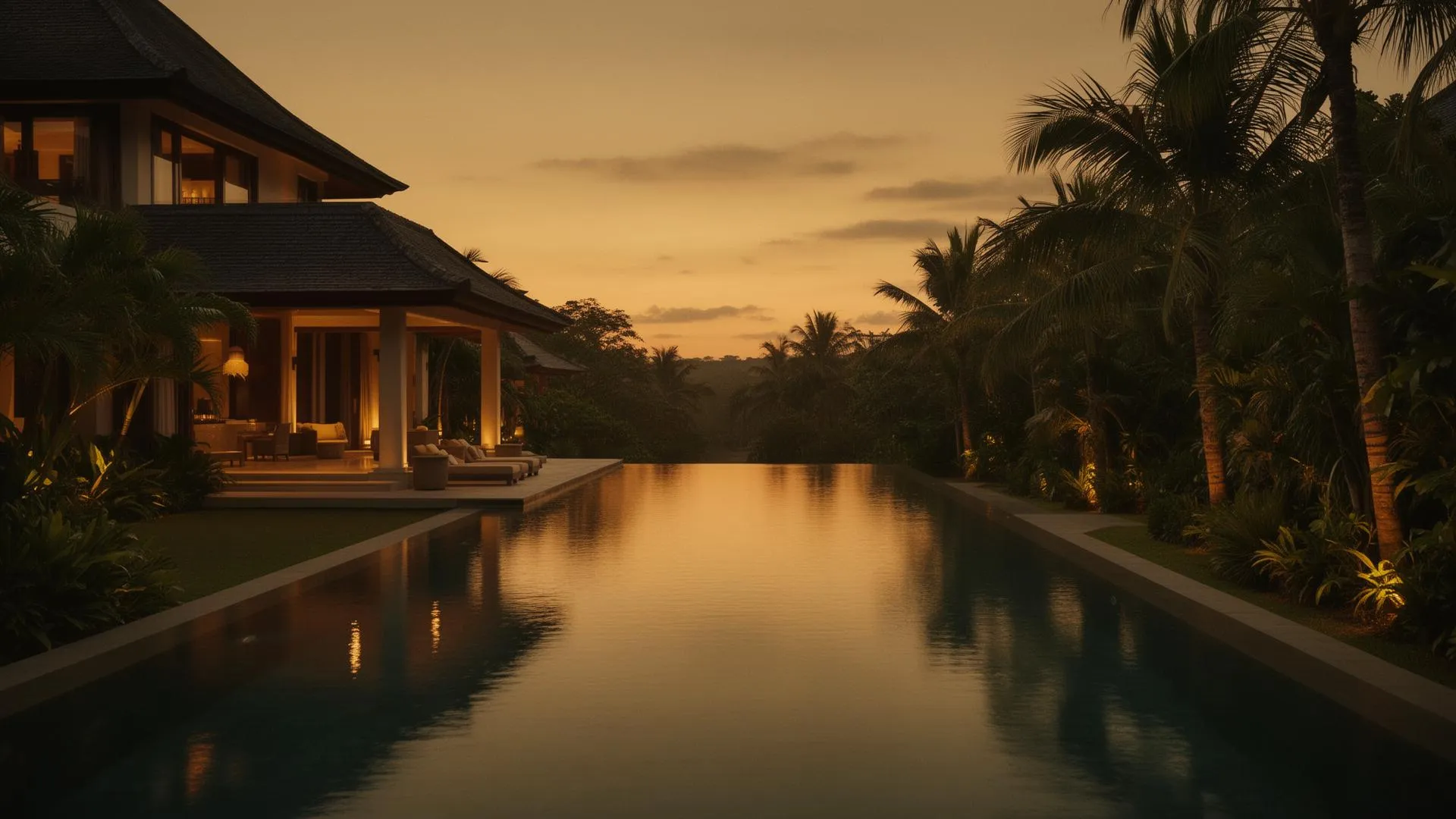
The visual language of The White Lotus is deceptively simple. Wide shots of pristine infinity pools. Warm, honeyed lighting at dusk. Tropical foliage framing architectural geometry. Staff uniforms in muted earth tones. Every frame is composed with the precision of a luxury travel campaign — except that the narrative beneath it is layered with irony, tension, and social commentary.
This duality is what makes the show's influence so fascinating. Viewers are simultaneously critiquing and craving the lifestyle on screen. The result is a new kind of luxury traveller — one who is aesthetically conscious, culturally aware, and seeking experiences that feel cinematic without being performative.
For villa owners and designers on Koh Samui, this has meant a subtle but meaningful shift in what guests expect. It's no longer enough to offer a beautiful pool and a sea view. The entire experience needs to feel curated — from the arrival sequence to the evening lighting to the breakfast presentation.
How The White Lotus Changed Guest Expectations
The Arrival Experience
In the show, arrivals are choreographed moments — guests stepping from boats into manicured landscapes, greeted with cold towels and frangipani-scented welcome drinks. This cinematic attention to first impressions has raised the bar significantly.
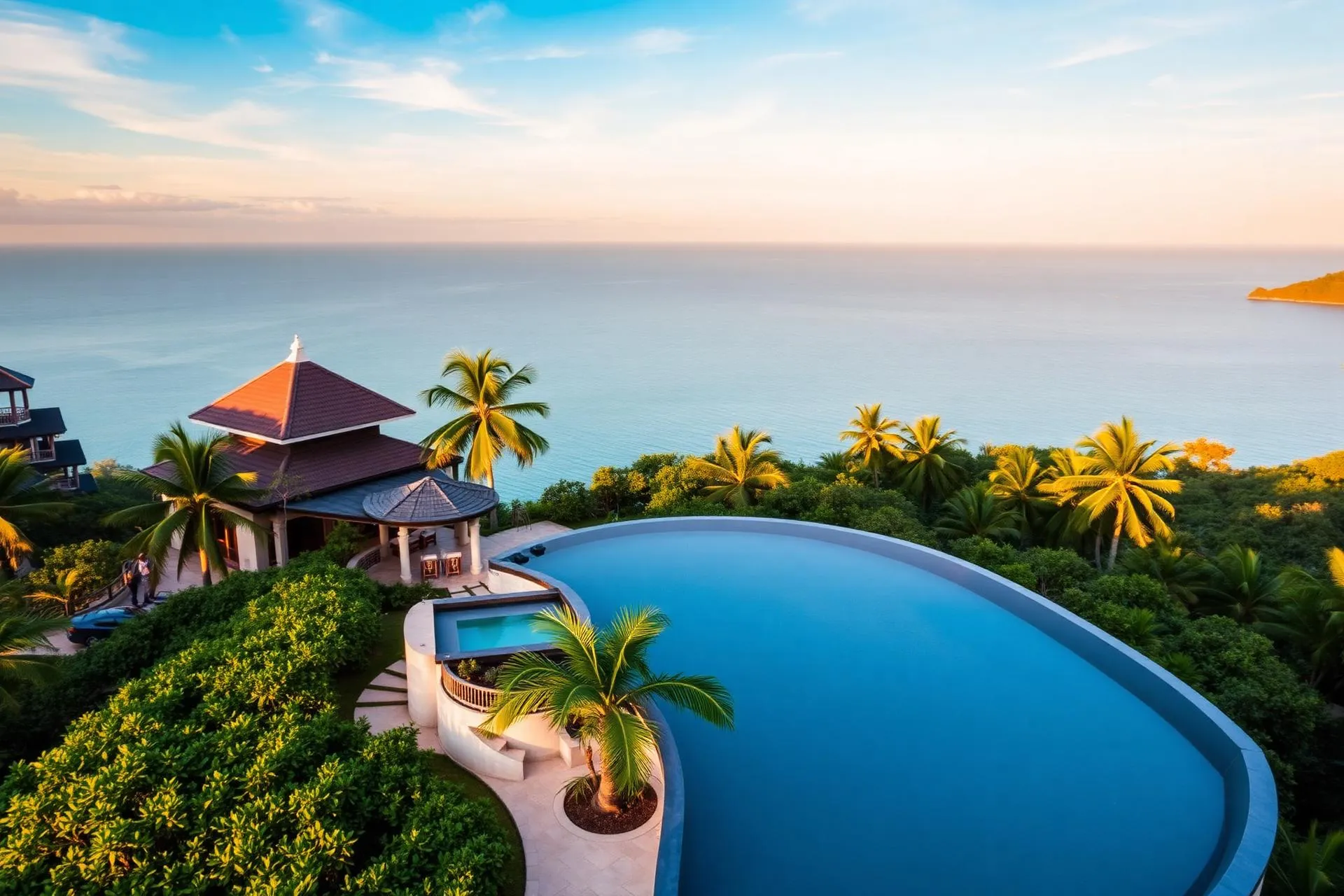
At properties like Sky Dream Villa, the arrival experience has become a design consideration in itself. The approach through tropical gardens, the first glimpse of the infinity pool against the Gulf of Thailand, the carefully timed welcome — these moments are now as important as the villa's amenities.
Evening Atmosphere
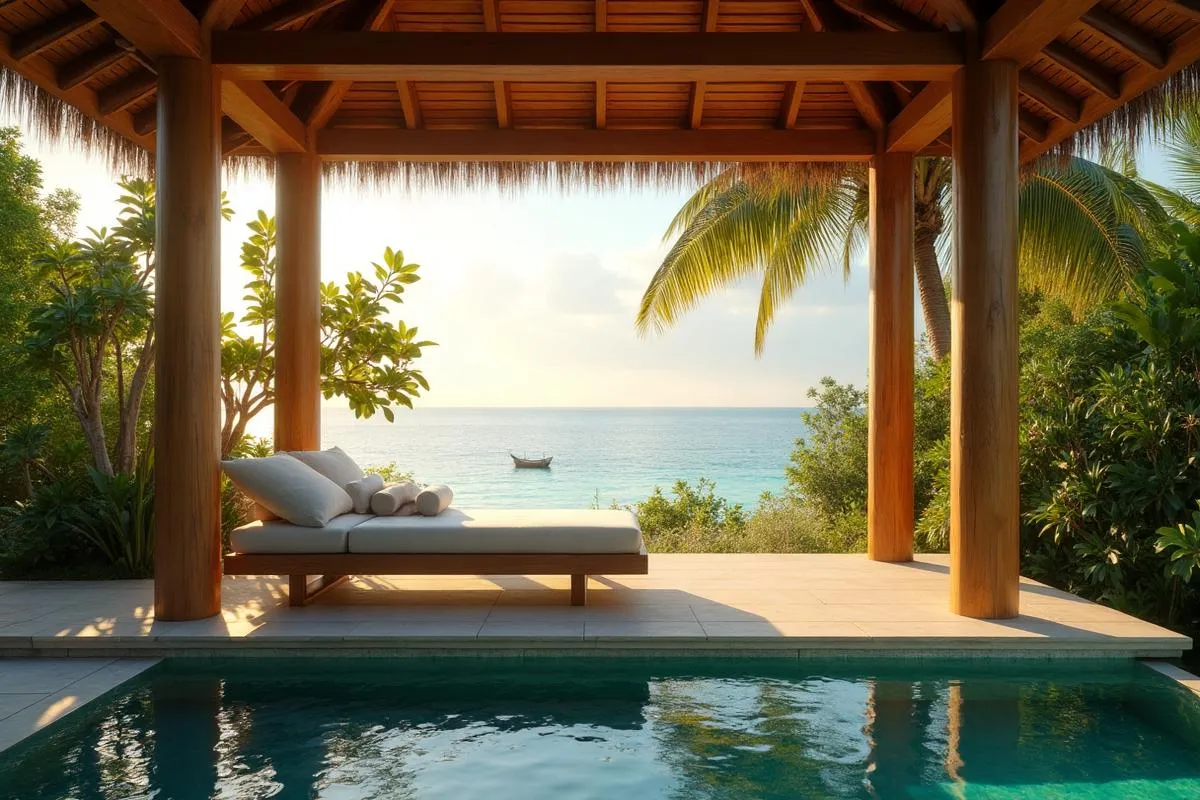
The White Lotus excels at capturing the magic of tropical evenings — pool lights glowing beneath still water, lanterns lining stone pathways, conversations drifting across open-air terraces. This has driven demand for villas with sophisticated outdoor living spaces and considered lighting design.
We've noticed our guests increasingly request sunset-facing terraces, atmospheric pool lighting, and alfresco dining setups that feel effortlessly elegant — exactly the aesthetic The White Lotus popularised.
The "Anti-Hotel" Movement
Perhaps the most significant shift is what we call the "anti-hotel" movement. The White Lotus, despite being set in a hotel, actually highlighted everything that can feel impersonal about large resort stays — the rigid dining schedules, the crowded pools, the performative service interactions.
The result? A surge in demand for private villas. Guests want the aesthetic of The White Lotus without the social pressure. They want the infinity pool, the private chef, the sunset terrace — but shared only with their travel companions. This trend has been a defining force in Koh Samui's luxury rental market, as we explored in our villa market overview.
Season by Season: The Evolving Influence
Season 1 — Hawaii: The Resort Fantasy
The first season, set at the fictional White Lotus resort in Maui, established the visual template: tropical modernism, poolside lounging, ocean panoramas. It drove a massive spike in interest for Hawaii luxury stays, but the influence quickly spread to all tropical destinations.
For Koh Samui, the timing was perfect. Thailand's reopening coincided with peak White Lotus cultural relevance, and the island's mix of tropical beauty and contemporary villa architecture made it a natural beneficiary.
Season 2 — Sicily: Old-World Romance
The Sicilian setting of Season 2 introduced a different aesthetic — terracotta warmth, bougainvillea cascades, historic architecture softened by Mediterranean light. While geographically distant from Southeast Asia, the influence translated into a desire for villas with character and history rather than pure modernism.
On Koh Samui, this manifested as growing interest in properties that blend Thai architectural traditions with contemporary design — reclaimed teak, handcrafted details, spaces that feel rooted in place rather than generically luxurious. Paradise Villa Eden in Chaweng Noi embodies this aesthetic beautifully, with its lush tropical garden creating exactly the kind of romantic, lived-in luxury that Season 2 made aspirational.
Season 3 — Thailand: Coming Full Circle
The third season brought The White Lotus to Thailand itself, filming at the Four Seasons Koh Samui and the SAii Koh Samui resort. For our island, this was transformative. Suddenly, Koh Samui wasn't just a beautiful destination — it was the White Lotus destination.
The impact on search interest, booking inquiries, and villa demand has been substantial. But more importantly, it validated what we've always known: Koh Samui offers a level of natural beauty, cultural depth, and architectural sophistication that stands alongside any luxury destination in the world.
The White Lotus Effect on Villa Design
The show's influence extends beyond guest expectations into how villas are designed and renovated. We're seeing several trends directly traceable to The White Lotus aesthetic:
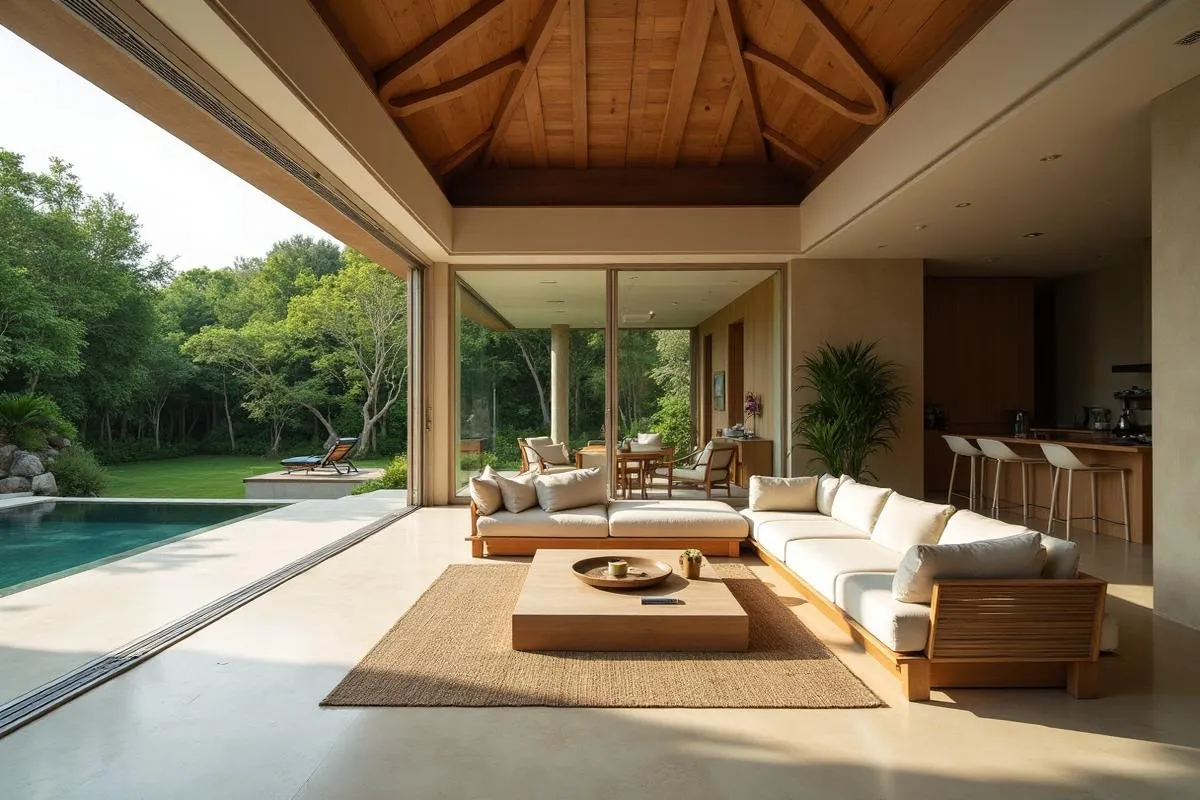
- Open-plan living rooms that frame views: Floor-to-ceiling glazing positioned to create cinematic panoramas, treating the landscape as living art
- Muted, natural material palettes: Polished concrete, natural stone, reclaimed wood — materials that photograph beautifully and age with character
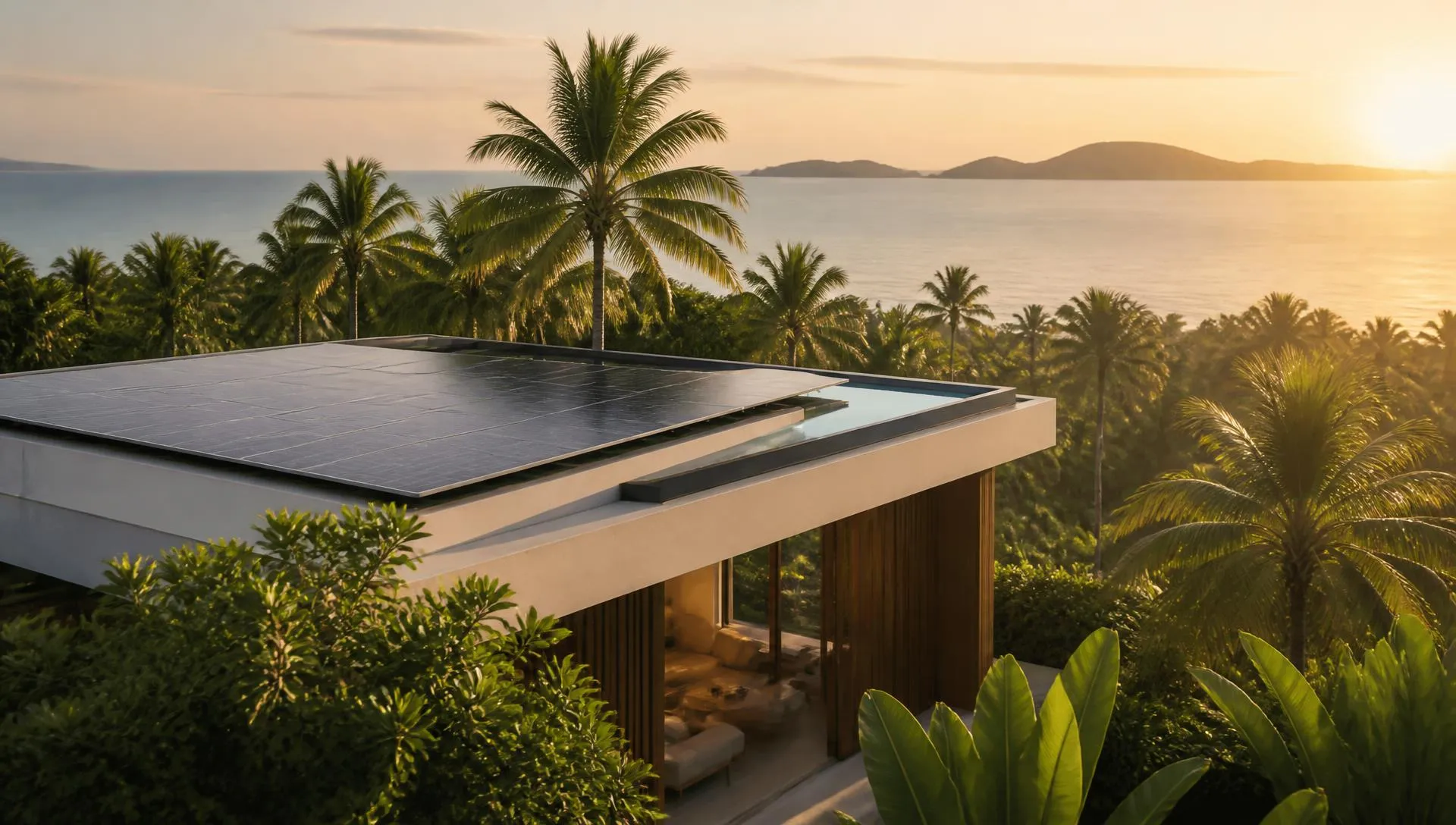
- Considered pool design: Infinity edges aligned with the horizon, integrated sun shelves, natural stone copings that blur the boundary between built and natural
- Atmospheric lighting: Warm, layered illumination that transforms spaces at dusk — uplighting on tropical planting, underwater pool glow, candlelit dining
- Curated art and objects: Moving away from generic "resort décor" toward meaningful pieces that reflect local craft traditions
Properties like Paradise Villa Elysium embody this evolution — contemporary architecture softened by natural materials, designed to feel both cinematic and authentically rooted in its Koh Samui setting.
Beyond the Screen: Authentic Luxury
The most interesting aspect of The White Lotus's cultural influence is the conversation it has sparked about what luxury travel actually means. The show's characters often chase surface-level indulgence while missing genuine connection — with each other, with local culture, with the places they visit.
The smartest luxury travellers have absorbed this message. They still want the beautiful villa, the infinity pool, the private chef dinner. But they also want substance — meaningful encounters with Thai culture, genuine hospitality rather than performative service, and the feeling that their holiday supports local communities.
This is where Koh Samui's strength lies. Unlike purpose-built resort destinations, the island has a living culture — fishing villages, Buddhist temples, night markets, and a community that has welcomed visitors for decades. Our villa collection is curated to connect guests with this authentic island experience, not insulate them from it.
What This Means for Your Next Koh Samui Stay
If The White Lotus has shaped your vision of the perfect tropical escape, Koh Samui delivers — and then some. The island offers everything the show made aspirational, but with a warmth and authenticity that no television set can replicate.
When you step onto the terrace of a hillside villa at sunset, cold drink in hand, the Gulf of Thailand stretching to the horizon — that moment is real. There's no script, no camera crew, no darkly comic subplot. Just you, the island, and the kind of beauty that Mike White chose as the backdrop for his most ambitious project.
We'd argue that's the real White Lotus effect: not the desire for luxury itself, but the reminder that extraordinary places exist — and that experiencing them is one of life's great privileges.
Discover the villas that embody this philosophy in our full collection, or explore Koh Samui as a destination. For personalised recommendations tailored to your travel style, reach out to our team.
Frequently Asked Questions
Season 3 of The White Lotus was filmed in Thailand, primarily at the Four Seasons Resort Koh Samui and the SAii Koh Samui Choengmon. The island's natural beauty and luxury villa infrastructure made it an ideal setting for the show's exploration of wealth and privilege in a tropical paradise.
Yes. Following the announcement and airing of Season 3, search interest for Koh Samui luxury villas increased significantly. The show has particularly driven demand for private villa rentals with infinity pools, ocean views, and the kind of curated aesthetic featured on screen.
The fictional White Lotus resort doesn't exist, but the filming locations — the Four Seasons Koh Samui and SAii resort — are real properties. For a more private experience, many travellers opt for luxury villa rentals that offer the same aesthetic and setting without the hotel format.
The 'White Lotus effect' refers to the surge in travel interest to destinations featured in the show. Beyond simple tourism boosts, it describes a broader shift in guest expectations — toward cinematic aesthetics, curated experiences, authentic cultural connection, and private villa stays over traditional hotel bookings.