January 22, 2026 · 9 min read · By Tim
Thai Minimalism: Design Trends Inspired by Island Living
A new wave of architectural thinking is sweeping through Koh Samui — one that honours Thailand's rich craft heritage while embracing the clean lines and open spaces of contemporary minimalism. We call it Thai Minimalism, and it's transforming the island's luxury villa landscape.
Thai Minimalism is not merely a design trend. It represents a philosophy of living that respects the natural environment, celebrates local craftsmanship, and creates spaces that feel both modern and deeply rooted in place. Having observed this movement evolve over the past decade, we believe it represents the future of tropical luxury architecture.
What Defines Thai Minimalism?
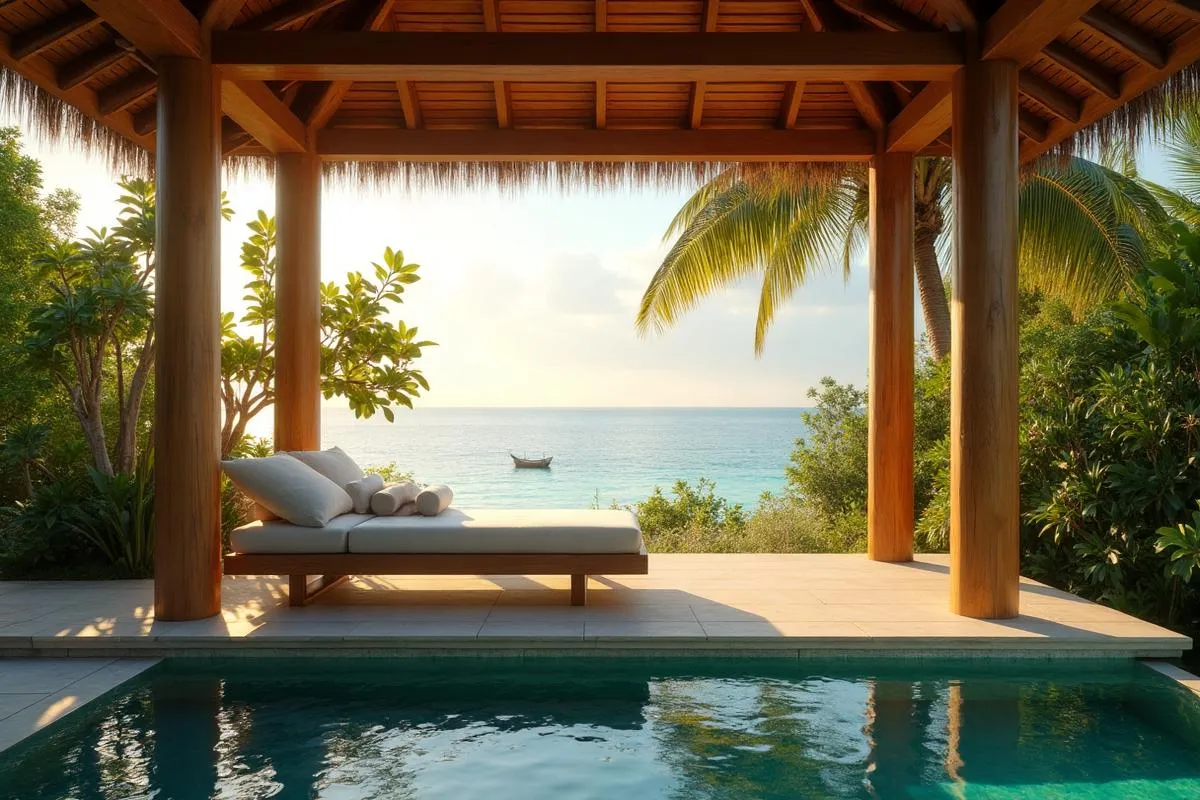
At its core, Thai Minimalism is about letting the landscape lead. Rather than imposing architecture onto the environment, designers work with the topography, vegetation, and climate to create homes that feel inevitable — as if they grew from the hillside rather than being built upon it.
The key principles include:
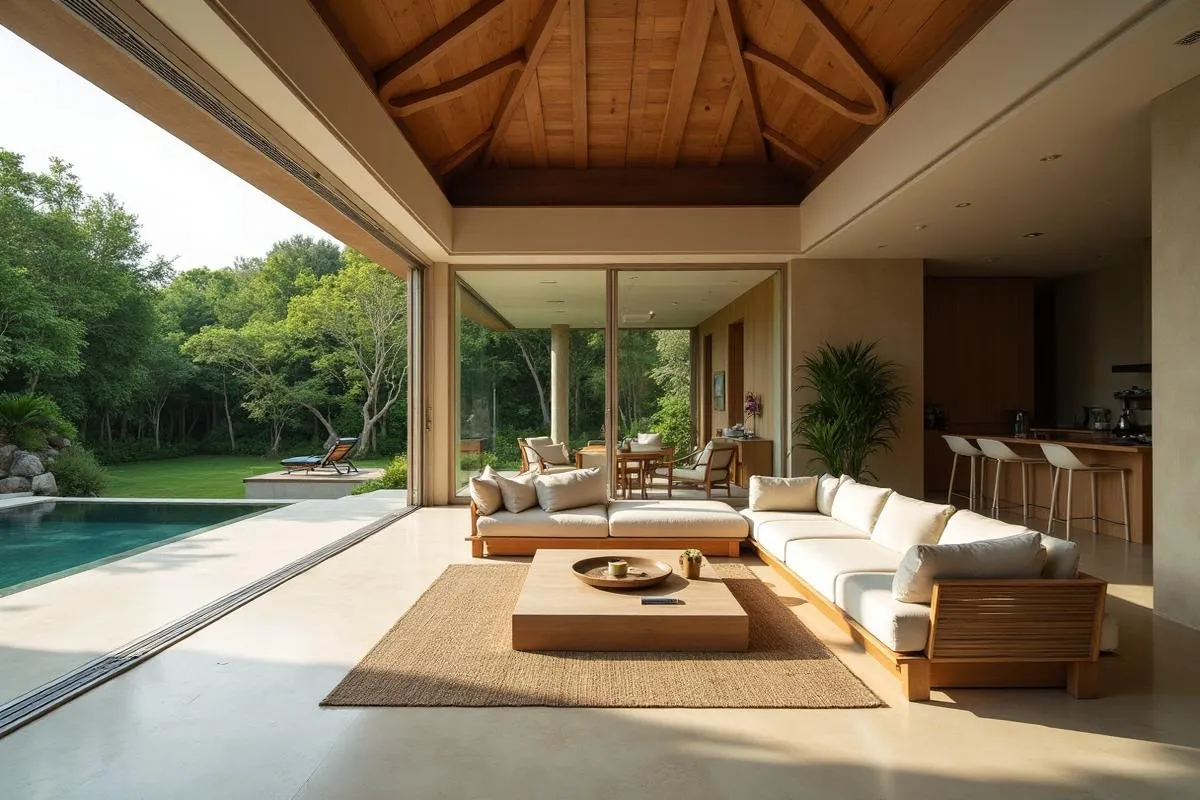
- Transparency: Floor-to-ceiling glass dissolves the boundary between interior and exterior, framing ocean views as living artwork.
- Materiality: Natural, locally sourced materials replace imported finishes — reclaimed teak, hand-cut limestone, woven rattan.
- Restraint: Minimal furnishings allow architecture and landscape to dominate. Every object earns its place.
- Flow: Open-plan living pavilions replace compartmentalised rooms, encouraging movement between inside and out.
This approach stands in deliberate contrast to the ornate decoration of traditional Thai temples and the generic modernism of many resort developments. Thai Minimalism finds a third way — contemporary but culturally grounded.
The Role of Natural Materials
Natural materials are paramount in Thai Minimalist design, and the sourcing tells a story. Reclaimed teak from old rice barges carries the patina of decades on the water. Hand-cut limestone from local quarries reveals the geological history of the island. Woven rattan by artisans in nearby villages brings a human warmth that imported marble and steel simply cannot replicate.
We have visited dozens of villas where these materials are used with extraordinary skill:
- Teak: Used for structural beams, dining tables, bathroom vanities, and outdoor decking. Its natural oils make it exceptionally durable in the tropical climate.
- Limestone: Featured in flooring, accent walls, and bathroom surrounds. Each slab is unique, with subtle fossils and colour variations.
- Rattan and bamboo: Employed in furniture, light fixtures, and ceiling treatments. These renewable materials add texture without heaviness.
- Concrete: Polished concrete floors — a hallmark of the style — provide thermal mass that keeps interiors naturally cool.
The commitment to local materials isn't just aesthetic. It supports island craftspeople, reduces the carbon footprint of construction, and ensures that each villa has a character that mass-produced materials cannot achieve.
Colour Palettes from the Island
Thai Minimalist colour palettes draw directly from Koh Samui's natural environment. Walk through the island's coconut groves, along its beaches, and into its forested hillsides, and you'll find the entire spectrum:
- Sage green: The colour of coconut palm fronds and tropical undergrowth
- Warm clay: Laterite earth tones found in the island's interior paths
- Bleached white: Sun-washed driftwood and coral sand
- Deep indigo: A reference to traditional Thai mudmee (tie-dye) textiles
- Charcoal: Volcanic rock and weathered tropical hardwoods
These muted, nature-derived tones create interiors that feel calm and connected to the outdoors. Accent pieces in deep indigo or burnished brass provide focal points without disrupting the overall serenity.
Villas That Embody the Philosophy
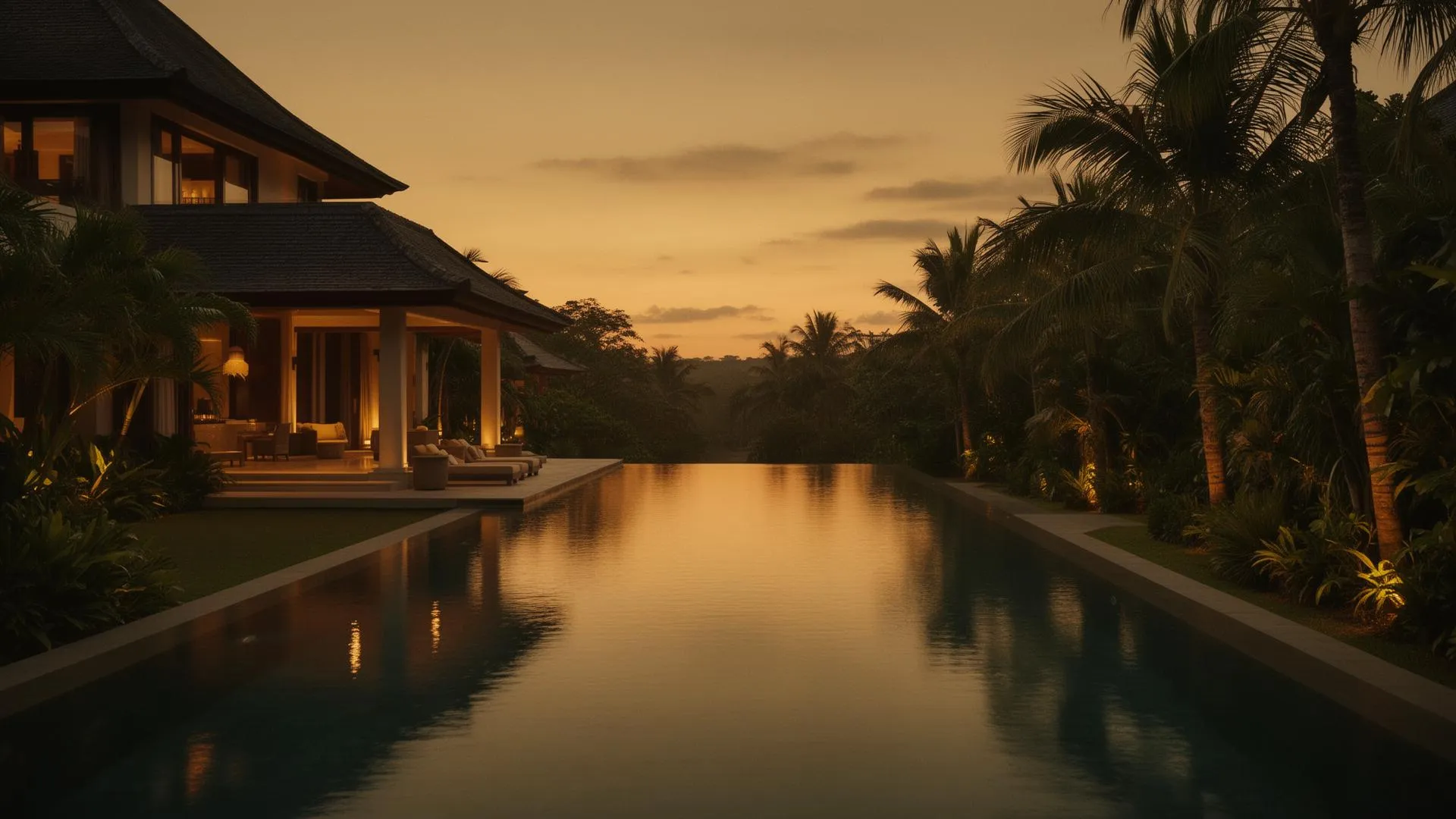
Several properties in our villa collection showcase Thai Minimalism beautifully. Sky Dream Villa is perhaps the most striking example — its cantilevered living room floats above the treeline, with polished concrete floors and minimal furnishings that allow the panoramic Gulf views to become the primary artwork.
Villa Ann in Chaweng Noi brings the philosophy to a generous five-bedroom layout — panoramic sea views and refined, design-forward interiors that prove Thai Minimalism works beautifully at scale. Villa Orise, also in Chaweng Noi, takes a nature-centric approach, with interior spaces that flow seamlessly onto shaded terraces surrounded by tropical gardens.
What unites these properties is an underlying discipline — the confidence to leave space empty, to let a single piece of reclaimed teak furniture anchor an entire room, and to trust that the view through the window is decoration enough.
Landscape Design in Thai Minimalism
The Thai Minimalist philosophy extends beyond the building envelope into landscape design. Formal, manicured gardens give way to naturalistic planting that references the island's endemic vegetation:
- Frangipani trees: Fragrant blooms and sculptural branching patterns
- Lotus ponds: Still water reflecting sky and architecture
- Native grasses: Low-maintenance groundcover that sways in the Gulf breeze
- Mature coconut palms: Preserved during construction to provide instant character and shade
The result is grounds that feel organic and rooted in place — gardens that belong to the island rather than being imposed upon it. Maintenance is minimal compared to formal tropical landscaping, aligning with the broader Minimalist ethos of simplicity and sustainability.
Thai Minimalism vs. Other Tropical Design Styles
It's worth distinguishing Thai Minimalism from other approaches to tropical architecture:
- Balinese style tends toward ornate stone carvings, water features, and dense tropical planting — lush and decorative where Thai Minimalism is restrained.
- Mediterranean tropical favours white stucco, terracotta, and arched openings — a vocabulary imported from a different climate.
- Resort modernism often prioritises spectacle over substance — dramatic forms without cultural context.
Thai Minimalism draws its identity from a specific place and craft tradition. It cannot be replicated by applying a formula, because each villa responds to its unique site, orientation, and the skills of local artisans.
Experiencing Thai Minimalism
For design enthusiasts, Koh Samui has become a living gallery of tropical modernism. Staying in one of these villas is the most immersive way to experience the movement — to understand how polished concrete feels underfoot at sunrise, how reclaimed teak smells after a rain shower, and how a carefully framed ocean view can transform a simple room into something extraordinary.
We invite you to explore our design-led villas and discover properties where architecture, landscape, and craft come together in quiet harmony. Read more about outdoor living in tropical villa design for another perspective on how Koh Samui's architects are reimagining island living.
Frequently Asked Questions
Thai Minimalism is a design philosophy that combines traditional Thai craftsmanship and natural materials — reclaimed teak, hand-cut limestone, woven rattan — with clean contemporary lines and open-plan living. It emphasises transparency, restraint, and a deep connection to the natural landscape.
Balinese design tends toward ornate stone carvings, dense tropical planting, and decorative water features. Thai Minimalism is more restrained, favouring clean lines, polished concrete, and carefully curated natural materials. Both celebrate local craft, but Thai Minimalism embraces negative space and architectural simplicity.
Several properties in our collection exemplify this style. Sky Dream Villa features cantilevered living spaces with polished concrete and panoramic views, with clean geometric volumes softened by tropical gardens.
Key materials include reclaimed teak from old rice barges, hand-cut local limestone, woven rattan and bamboo from nearby villages, and polished concrete for flooring. These natural, locally sourced materials are chosen for their beauty, durability, and cultural significance.