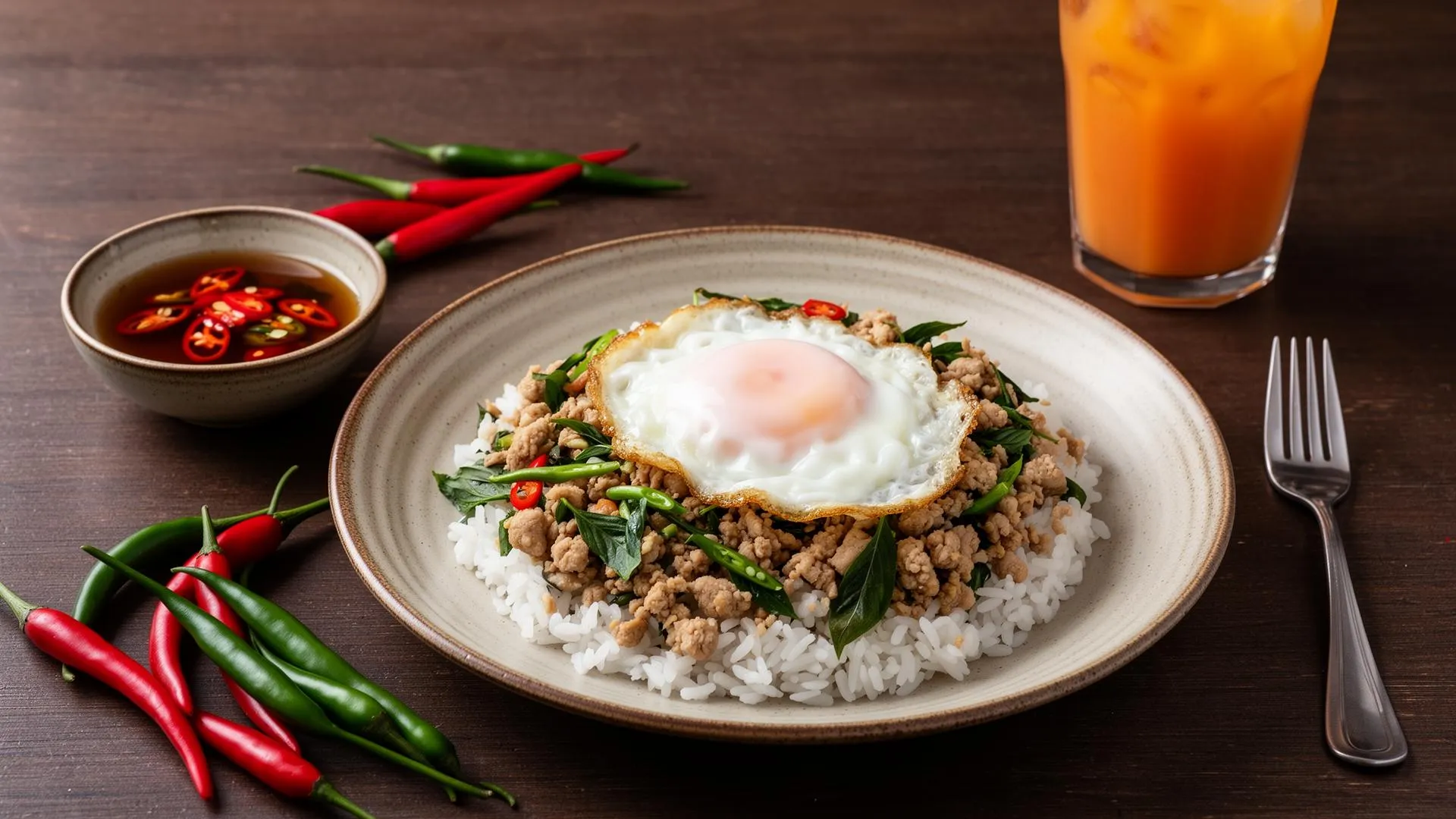
April 17, 2026 · 7 min read · By Tim
Thai Tea & ChaTraMue: A Local Obsession Worth Bringing Home
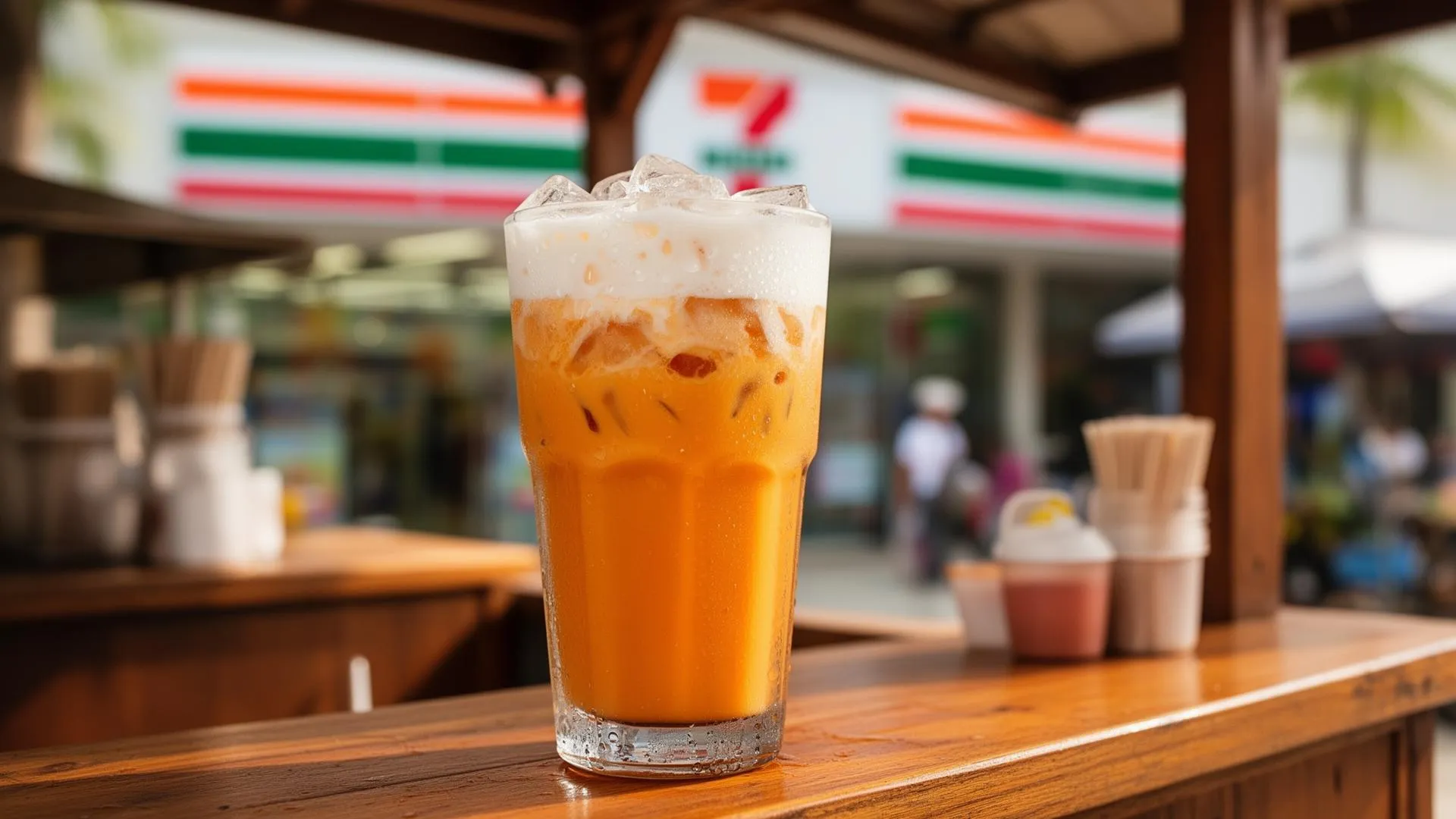
There's a particular shade of orange you start to notice everywhere in Thailand. It glows from glass jugs at street stalls, sits in chilled bottles in every 7-Eleven fridge, and stains the paper cups handed across counters in shopping malls. That orange is Thai tea — cha yen — and once you've had a properly made one on a hot afternoon, it tends to become a small daily ritual.
This is a personal favourite of mine, and one of the things I genuinely miss when I'm away from Koh Samui. So here's a short guide to what Thai tea actually is, the cult brand behind most of what you'll drink, and why a few tins are worth packing into your suitcase before you fly home.
A Brief History of Thai Tea
Tea isn't originally a Thai crop in the cultural sense that it is in China or Japan — it arrived through trade and migration, and was adapted into something distinctly local. The Thai version we know today took shape in the early 20th century, when Chinese immigrants brought tea cultivation and brewing traditions to northern Thailand.
What turned tea into the bright, sweet, milky drink served everywhere today was the colonial-era introduction of strong Ceylon black tea, combined with two very Thai ingredients: spices and sweetened condensed milk. The result is something that tastes nothing like traditional Asian tea — it's closer in spirit to a chai or a bubble tea base, with a creamy, almost dessert-like finish.
The signature orange-amber colour comes from the tea blend itself. Properly-made Thai tea uses a specific mix of black tea, star anise, crushed tamarind seed, and sometimes a touch of food colouring in cheaper versions. Quality producers — including the brand below — rely on the tea blend rather than additives.
ChaTraMue: The Brand Behind the Orange
If you spend any time in Thailand, you'll meet ChaTraMue (ชาตรามือ, literally "Hand-Brand Tea") almost immediately. Founded in 1945, it started as a small tea importer and roaster in Bangkok and has grown into the country's most recognisable tea brand. The hand logo is everywhere — on supermarket shelves, on stand signage in malls, on takeaway cups carried through every BTS station in Bangkok.
What makes ChaTraMue interesting isn't just scale. It's that the brand managed to become both completely mainstream and genuinely good. The tea bags you buy in 7-Eleven for a handful of baht produce a drink that tastes much closer to the freshly-brewed stand version than you'd expect. For a country where street-level standards are extraordinarily high, that's a real achievement.
The dedicated ChaTraMue stands — the green-and-orange ones you'll find in shopping centres like Central Festival Samui — are where the brand is at its best. Drinks are made to order from freshly-brewed concentrates, poured over crushed ice, and finished in front of you. The classic Thai milk tea is the obvious order, but the menu has quietly expanded over the years.
How I Order It
Everyone has their version. Mine is simple:
- Thai iced tea (cha yen) — on ice, lightly sweetened
- A small splash of coconut milk alongside (or instead of) the usual condensed milk
The default sweetness in Thailand is very high — a standard cha yen is closer to a dessert than a drink. Asking for less sugar (wan noi — "a little sweet") brings the tea forward and lets the spices come through. The coconut milk addition is a small twist, but it works beautifully: it keeps the creaminess but adds a clean, tropical note that pairs perfectly with the spice mix. Most stands will accommodate this without blinking.
The other order I'd genuinely recommend is the ChaTraMue matcha green tea. It's a different drink entirely — earthier, less sweet, more refreshing — and the quality is excellent for what is essentially a mall-stand product. On a humid afternoon, it's hard to beat.
Where to Drink It on Koh Samui
You don't need to look hard. The easiest entry point is any 7-Eleven on the island — and there are a lot of them. The chilled bottled versions of ChaTraMue Thai tea and matcha are everywhere, cost almost nothing, and are a perfectly good introduction.
For the proper experience, look for a dedicated ChaTraMue stand inside a shopping centre — Central Festival Samui in Chaweng is the most reliable spot, an easy drive from villas in Chaweng Noi or the wider east coast collection. Drinks are freshly made, the menu is broader, and the difference in flavour between bottled and fresh is immediately obvious.
Beyond the brand itself, almost every street stall and local café on Koh Samui makes its own version of cha yen — including several stands at the Friday Walking Street in Fisherman's Village, Bophut and at the Lamai Fresh Food Market that I send every visitor to. Quality varies, but the worst you'll get is still pleasant. If you find a stand near your villa where the tea looks freshly brewed (rather than poured from a pre-mixed jug), give it a try.
The Perfect Souvenir for Tea Lovers
This is where ChaTraMue really earns its place in your suitcase. The classic orange Thai tea bags and the larger loose-leaf tins are inexpensive, travel well, and keep for months. They're instantly recognisable to anyone who has been to Thailand — and a genuine novelty to anyone who hasn't.
A few things worth knowing if you're buying as gifts:
- The classic Thai tea (orange packaging) is the obvious pick. Brewed strong and finished with a little condensed milk, it produces a very passable home version of the drink.
- The matcha green tea is the best alternative for green tea drinkers and is a popular gift in its own right.
- Look for the larger gift tins if you want something more presentable than a bag of teabags. They're sold both at ChaTraMue stands and in larger supermarkets like Tops or Villa Market.
- Both 7-Eleven and full supermarkets stock the range. Supermarkets tend to have more variety; 7-Eleven is convenient for last-minute airport runs.
For around the price of a coffee back home, you can put together a small set of tins that genuinely captures something of Thailand. As souvenirs go, it's hard to do better.
A Small Daily Ritual
Thai tea isn't a deep cultural artefact in the way that, say, a Japanese tea ceremony is. It's an everyday drink — sweet, refreshing, faintly nostalgic — and that's exactly what makes it worth paying attention to. It's part of the texture of daily life in Thailand: the orange jug on the stall counter, the condensation on the plastic cup, the spoon clinking against the ice as you walk back into the heat.
If you spend any real time on Koh Samui, you'll probably end up with a version of your own. Mine is iced, lightly sweet, with a touch of coconut milk — and a few tins of ChaTraMue in the cupboard for when I'm somewhere else. For more local favourites in the same spirit, see my personal Koh Samui recommendations and our guide to where to stay on the island.
Frequently Asked Questions
Traditional Thai tea (cha yen) is brewed from strongly-steeped Ceylon black tea blended with spices such as star anise, cardamom, and tamarind, then sweetened with sugar and condensed milk and finished with a float of evaporated milk over crushed ice. The signature orange colour comes from the tea blend itself, not artificial colouring in most quality versions.
ChaTraMue is widely available across Koh Samui. You'll find ready-to-drink bottles and tea bags in almost every 7-Eleven, and full-service ChaTraMue stands with freshly-made drinks in major shopping centres like Central Festival Samui. The fresh stand version is a noticeable step up from the bottled one.
It's one of the best edible souvenirs from Thailand. The classic orange tea bags and tins travel easily, keep for months, and are instantly recognisable to anyone who's been to Thailand. The matcha green tea range is equally giftable for green tea drinkers.
Ask for cha yen (Thai iced tea) lightly sweet — the default is very sweet. If you want it the way I drink it, order it on ice, lightly sweetened, with a splash of coconut milk instead of (or alongside) the usual condensed milk. Most stands and cafés will accommodate this without issue.
Yes — it's based on strong black tea, so a standard glass contains a meaningful amount of caffeine, comparable to a cup of strong tea or a small coffee. The matcha green version is also caffeinated.