October 22, 2025 · 9 min read · By Tim
How the Koh Samui Community Is Protecting Its Beautiful Beaches
Koh Samui's beaches are more than postcard scenery — they are the island's lifeblood. Tourism, fishing, and the daily rhythms of coastal communities all depend on healthy shorelines. Yet rising visitor numbers, plastic pollution, and coastal erosion have placed increasing pressure on this fragile environment.
In recent years, a growing network of local organisations, resort teams, and grassroots volunteers has stepped up to protect the island's most treasured natural asset. From weekly beach cleanups to school education programmes, Koh Samui's community is proving that meaningful change starts at the local level.
The Scale of the Challenge
Thailand's islands attract millions of visitors each year, and Koh Samui is no exception. While tourism fuels the local economy, it also generates waste — much of it single-use plastic — that inevitably finds its way onto beaches and into the Gulf of Thailand.
Monsoon currents compound the problem. During the wet season (October–December), ocean debris from across the Gulf washes ashore, leaving even remote beaches littered with plastic bottles, fishing nets, and styrofoam. Local municipalities do their best, but the volume often exceeds what public services can manage alone.
It is a challenge shared across Southeast Asia, but on Koh Samui, the response has been remarkably community-driven.
Trash Hero Koh Samui: Weekly Action, Lasting Impact
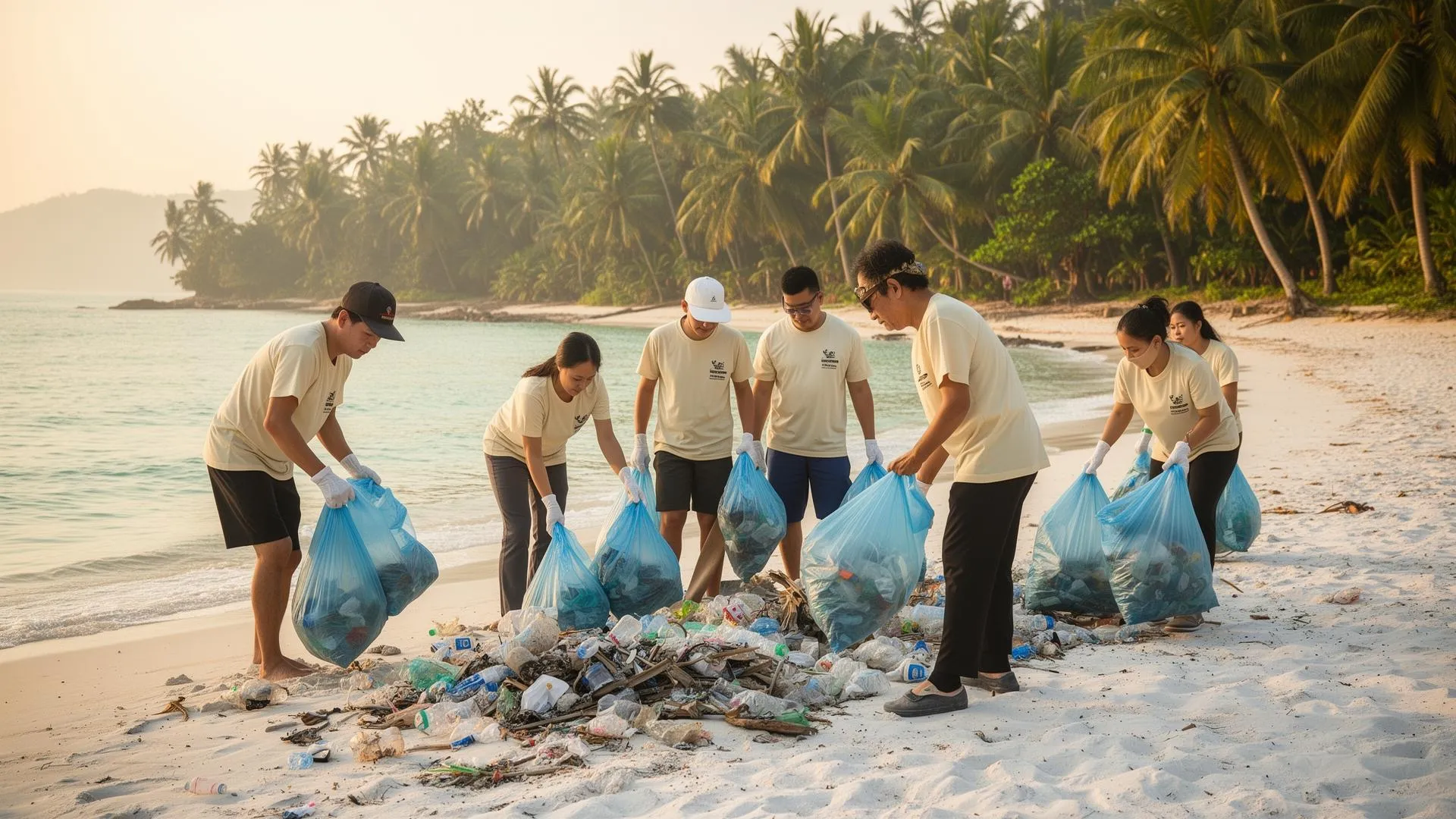
One of the most visible forces behind beach conservation on the island is Trash Hero Koh Samui, a chapter of the international Trash Hero World network. Every week, volunteers — locals, expats, and tourists alike — gather at a designated beach to collect waste and sort recyclables.
What began as small Sunday morning meetups has grown into a well-organised movement. Trash Hero teams now run environmental education sessions in local schools, partner with resorts and restaurants to reduce single-use plastic, and maintain collection data that helps track pollution trends over time.
Their approach is simple but effective: show up, clean up, and inspire others to do the same. It is grassroots environmentalism at its most accessible — and it works.
Resort Teams Leading by Example
Koh Samui's hospitality industry is increasingly recognising its responsibility to protect the environment that draws guests to the island in the first place. Several resorts now integrate sustainability into their operations, from eliminating plastic straws to organising staff volunteer days.
A recent example comes from Prana Resort Nandana in Bangrak, where 30 employees joined forces with Trash Hero Koh Samui as part of the RYTHM Foundation's Employee Community Impact programme. In a single cleanup session, volunteers collected 25 bags of plastic and debris from Bangrak Beach — a stretch popular with both locals and visitors.
"It may seem like a small thing, but starting small is how change begins," said HR manager Pranee Srangthongdee after the event.
The same resort team later collaborated with the Bophut community to organise a cultural fair at Bangrak School, raising funds for equipment and an additional teaching post. These dual efforts — environmental and educational — reflect a growing understanding that protecting beaches and investing in communities go hand in hand.
Education: Reaching the Next Generation
Perhaps the most important long-term strategy is education. Several organisations on Koh Samui now run programmes in local schools, teaching children about marine ecosystems, waste reduction, and the connection between a healthy environment and a healthy economy.
Trash Hero's school programme brings volunteers into classrooms to lead hands-on workshops about plastic pollution. Students learn where waste goes after it leaves their homes, why single-use plastic is problematic, and what alternatives exist. Many schools have followed up by introducing waste-sorting stations and reusable water bottle policies.
These programmes plant seeds early. Children who grow up understanding the value of their coastline are far more likely to protect it as adults — and to hold businesses and government accountable.
What Visitors Can Do
As a guest on Koh Samui, you can contribute to beach protection in meaningful ways without disrupting your holiday:
- Join a cleanup: Trash Hero Koh Samui welcomes visitors at their weekly events. It is a rewarding way to give back and meet locals.
- Reduce single-use plastic: Carry a reusable water bottle, decline plastic bags, and choose restaurants that have moved away from disposable packaging.
- Support responsible businesses: Choose accommodation, tour operators, and restaurants that demonstrate genuine environmental commitment — not just greenwashing.
- Respect marine life: Avoid stepping on coral, do not feed fish, and use reef-safe sunscreen when swimming or snorkelling.
- Spread the word: Share what you see on social media. Positive attention on community efforts helps attract funding and volunteers.
Coral Reef Restoration and Marine Conservation
Beach protection extends beyond the sand. Koh Samui's surrounding coral reefs are vital to marine biodiversity and play a crucial role in protecting the coastline from erosion. Several dive operators and marine conservation groups now run coral restoration projects around the island and its neighbouring archipelago.
Volunteers can participate in coral planting workshops, reef surveys, and marine debris removal dives. These hands-on experiences offer visitors a deeper connection to the island's ecosystem — and a tangible sense of contributing to its future.
The health of the reef directly affects the health of the beach. Intact coral systems break wave energy, reduce erosion, and support the fish populations that sustain local fishing communities. Protecting one means protecting the other.
Government and Infrastructure Improvements
Local government has also taken steps to address waste management on the island. New recycling centres, improved waste collection routes, and stricter regulations on construction near the coastline are gradually improving the situation.
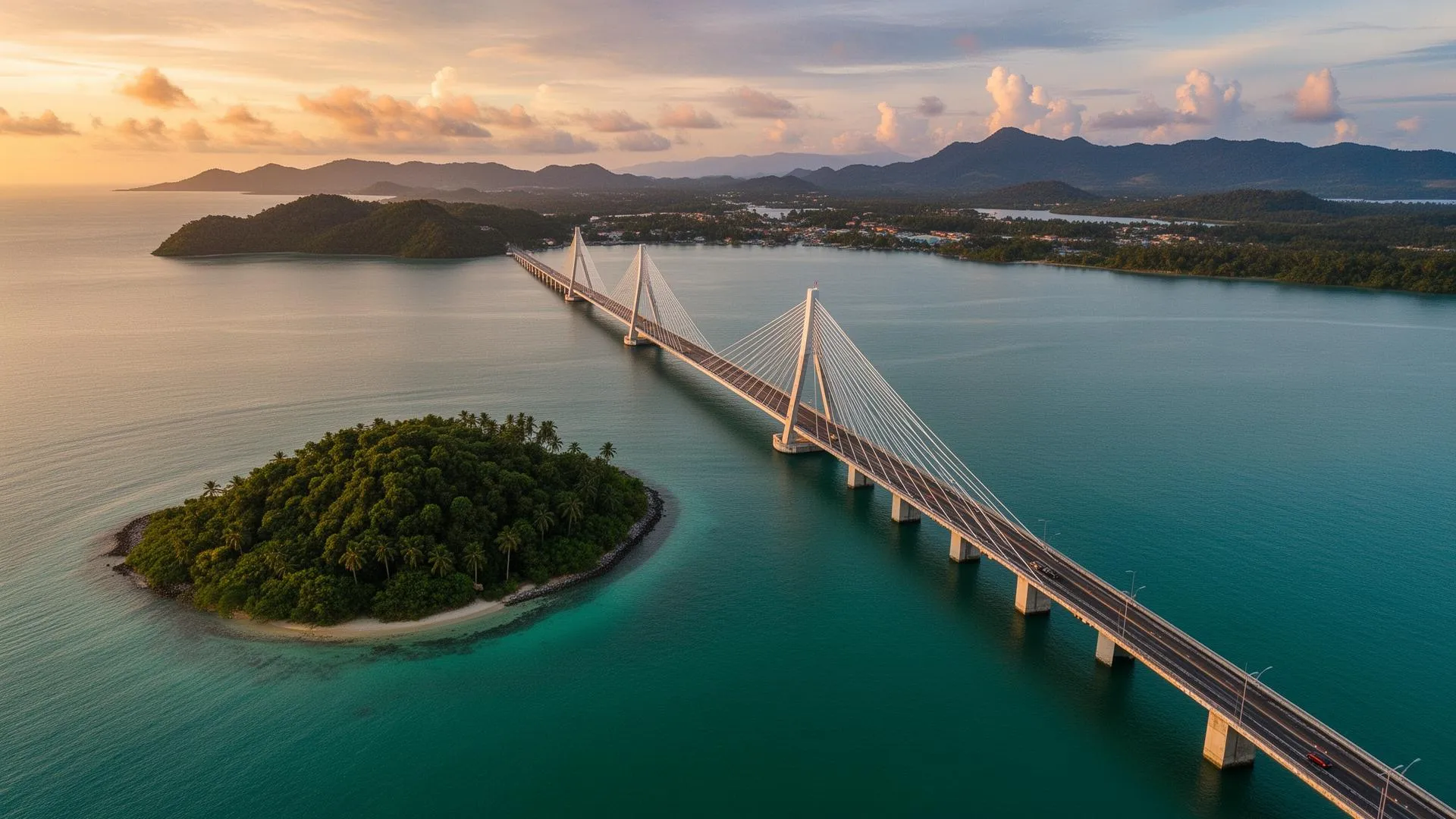
The planned Koh Samui bridge and expressway project is expected to bring additional infrastructure investment to the island, including improved waste management facilities. While the project raises questions about development pressure, it also presents an opportunity to modernise the island's environmental systems.
Community groups are actively engaged in these conversations, advocating for development that respects the island's natural character. Their voice matters — and it is being heard. Villa Orise in Chaweng Noi is surrounded by a community that has been particularly active in local conservation and cleanup efforts.
A Community Worth Supporting
What makes Koh Samui's beach protection efforts remarkable is not any single initiative but the collective spirit behind them. Resort staff, schoolchildren, expat volunteers, visiting tourists, local fishermen, and municipal workers all play a role. There is no single hero — just a community that cares deeply about its home.
For visitors, this is part of what makes Koh Samui special. Behind the stunning sunsets and turquoise water is a community working hard to ensure those beaches remain beautiful for generations to come.
When you stay on the island, you become part of that story. Choose to leave it better than you found it.
How We Support Sustainability at Mykeythai
At Mykeythai, we believe that luxury travel and environmental responsibility are not mutually exclusive. We work with villa owners who share this philosophy — properties that prioritise water conservation, energy efficiency, waste reduction, and respectful integration with the natural landscape.
We are proud to spotlight the organisations doing vital work on the ground, and we encourage every guest to engage with the island beyond the villa gates. Koh Samui's beauty is worth protecting — and protecting it is a shared responsibility.
Frequently Asked Questions
Visitors can join weekly Trash Hero cleanups, reduce single-use plastic, support eco-conscious businesses, use reef-safe sunscreen, and share community efforts on social media to raise awareness.
Trash Hero Koh Samui is a local chapter of the international Trash Hero World network. They organise weekly beach cleanups, run environmental education in schools, and work with businesses to reduce plastic waste on the island.
Koh Samui's beaches remain beautiful, but they face ongoing challenges from plastic pollution and monsoon-driven ocean debris. Community-led cleanup efforts and improved waste management are making a significant difference.
Yes. Several resorts organise staff volunteer days for beach cleanups in partnership with organisations like Trash Hero. Prana Resort Nandana's recent cleanup with the RYTHM Foundation collected 25 bags of debris from Bangrak Beach in a single session.
Several dive operators and marine conservation groups run coral planting workshops, reef surveys, and marine debris removal dives around Koh Samui and its neighbouring islands. Visitors can participate in hands-on restoration experiences.