19 avril 2026 · 10 min lire · Par Tim
Koh Samui vs Bali : Quelle évasion tropicale te convient le mieux ?
Si tu prévois des vacances tropicales de luxe en Asie du Sud-Est, le choix se résume souvent à deux icônes : Bali ou Koh Samui. Toutes deux sont célèbres dans le monde entier, toutes deux offrent des villas et des plages extraordinaires, et toutes deux ont façonné la façon dont les voyageurs imaginent l'évasion parfaite sur une île. Mais ce sont des endroits fondamentalement différents — et choisir le bon est plus important que la plupart des gens ne le réalisent.
Nous sommes basés sur Koh Samui et voyageons régulièrement en Indonésie. Ce guide est notre comparaison honnête et détaillée pour t'aider à décider quelle île correspond à ton style de voyage, à ton groupe et à l'idée que tu te fais des vacances tropicales parfaites.
Géographie et premières impressions
Bali
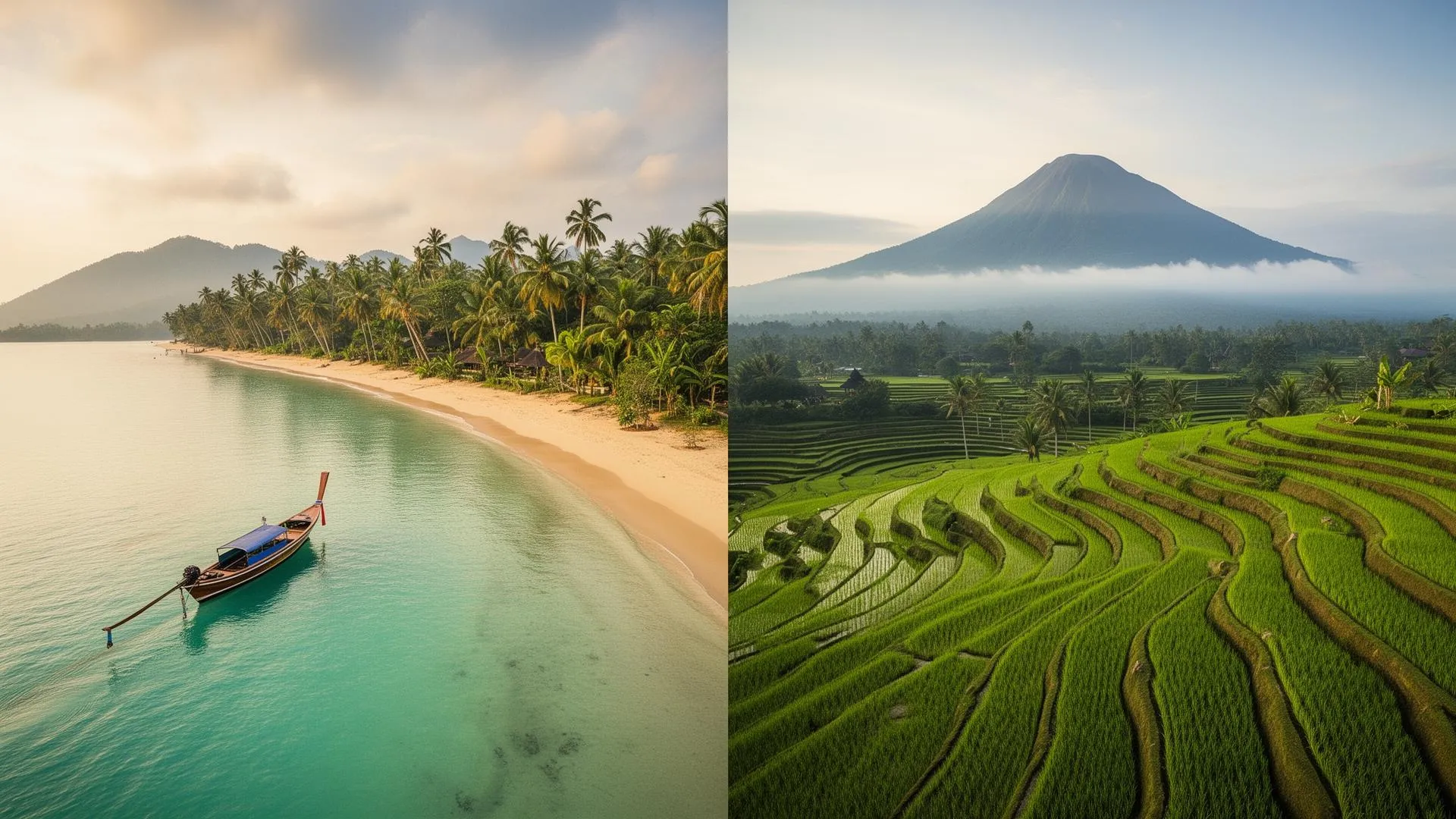
Bali fait partie de l'Indonésie, c'est une île d'environ 5 780 kilomètres carrés, soit environ 25 fois la taille de Koh Samui. Le paysage est extraordinaire : des pics volcaniques s'élevant au-dessus des rizières en terrasse, des falaises spectaculaires sur la péninsule de Bukit, des gorges recouvertes de jungle autour d'Ubud, et de longues plages de surf sur la côte ouest. C'est géographiquement la plus spectaculaire des deux îles.
Bali est également beaucoup plus développée par endroits. Des zones comme Canggu, Seminyak et Kuta sont denses en cafés, clubs de plage, scooters et circulation. D'autres régions — Amed, Sidemen, la côte nord — restent calmes et rurales. Le contraste à l'intérieur de Bali est énorme, et l'endroit où tu séjournes définit presque entièrement ton voyage.
Koh Samui
Koh Samui est une île compacte de 228 kilomètres carrés située dans le golfe de Thaïlande. Le paysage y est plus doux — forêts de cocotiers, douces collines et baies abritées aux eaux calmes et chaudes. Il n'y a ni volcans, ni rizières en terrasses, ni gorges spectaculaires, mais la contrepartie est un sentiment de facilité que Bali offre rarement.
L'île conserve un véritable sentiment d'évasion. Tu arrives en ferry ou par un vol court, et le rythme ralentit immédiatement. La circulation est légère, les distances sont courtes, et le développement — bien que réel — est resté plus sobre que les centres les plus animés de Bali. C'est cette qualité qui attire les clients, année après année, dans notre collection de villas.
Plages : différentes côtes, différents caractères
Les plages de Bali
Les plages de Bali sont diverses et spectaculaires. Les côtes ouest et sud — Seminyak, Canggu, Uluwatu — font face à l'océan Indien et produisent un surf de classe mondiale. La péninsule de Bukit possède des plages spectaculaires au sommet des falaises auxquelles on accède par de longs escaliers. Les côtes est et nord sont plus calmes et plus tranquilles, avec du sable volcanique noir à certains endroits.
Les inconvénients : la plupart des plages de Bali où l'on peut se baigner ont de forts courants, et les plages les plus accessibles du sud peuvent être bondées, avec des vendeurs persistants et des clubs de plage très animés. Pour les surfeurs et les amateurs de cocktails au coucher du soleil, Bali est imbattable. Pour la baignade pure, c'est moins idéal.
Les plages de Koh Samui
Les plages de Koh Samui sont plus douces et plus propices à la baignade. Chaweng et Lamai sont les plus développées, mais même celles-ci semblent calmes comparées aux centres méridionaux de Bali. Les véritables trésors sont les étendues plus calmes — la baie abritée de Choeng Mon, la côte du coucher de soleil de Lipa Noi et les plages cachées que la plupart des visiteurs ne découvrent jamais.
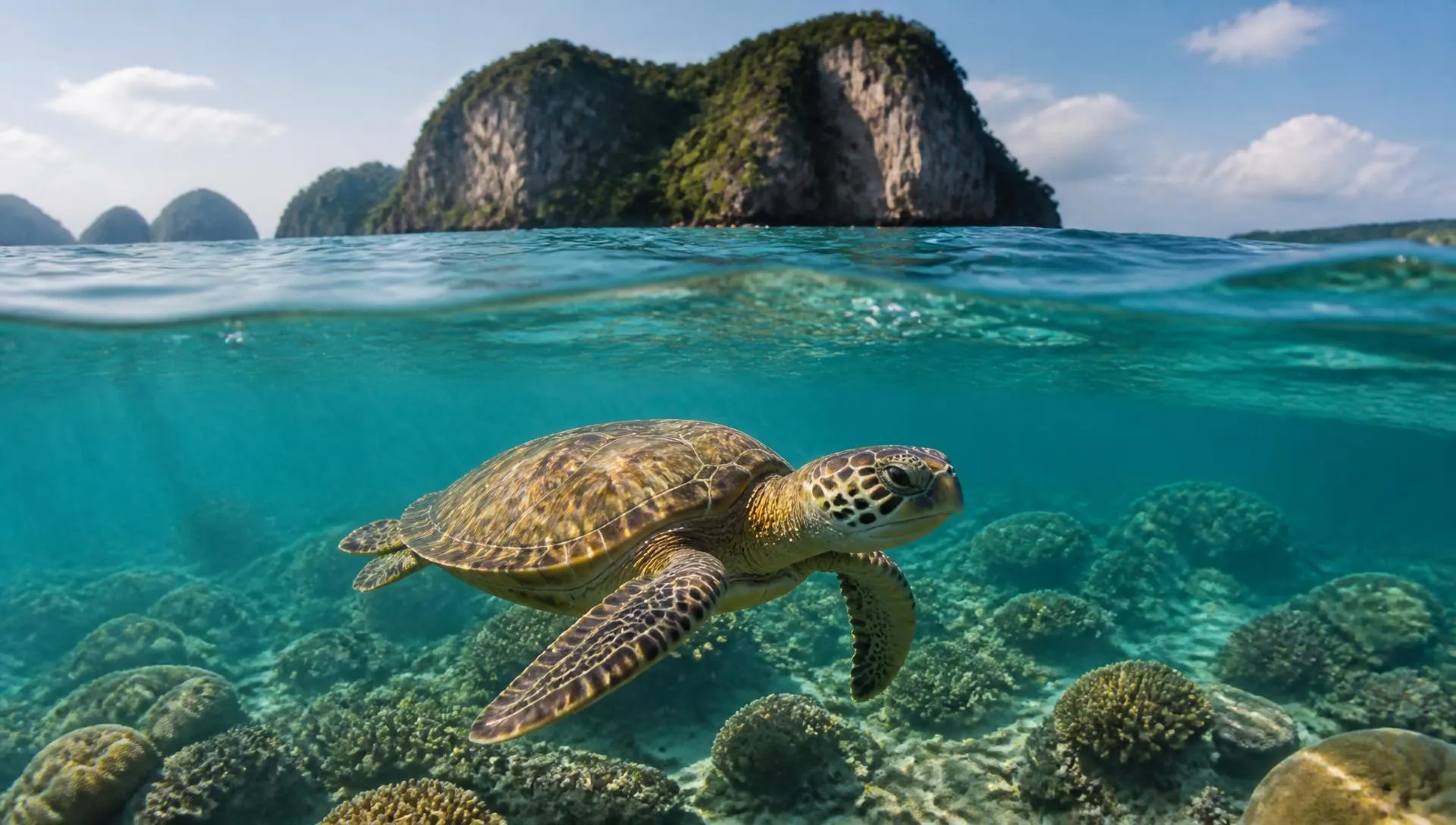
Le golfe de Thaïlande offre des eaux plus calmes et plus chaudes pendant la majeure partie de l'année — idéales pour la natation, le paddleboard et la plongée avec tuba. Pour les familles avec de jeunes enfants, c'est souvent le facteur décisif.
Villas et hébergement
Bali
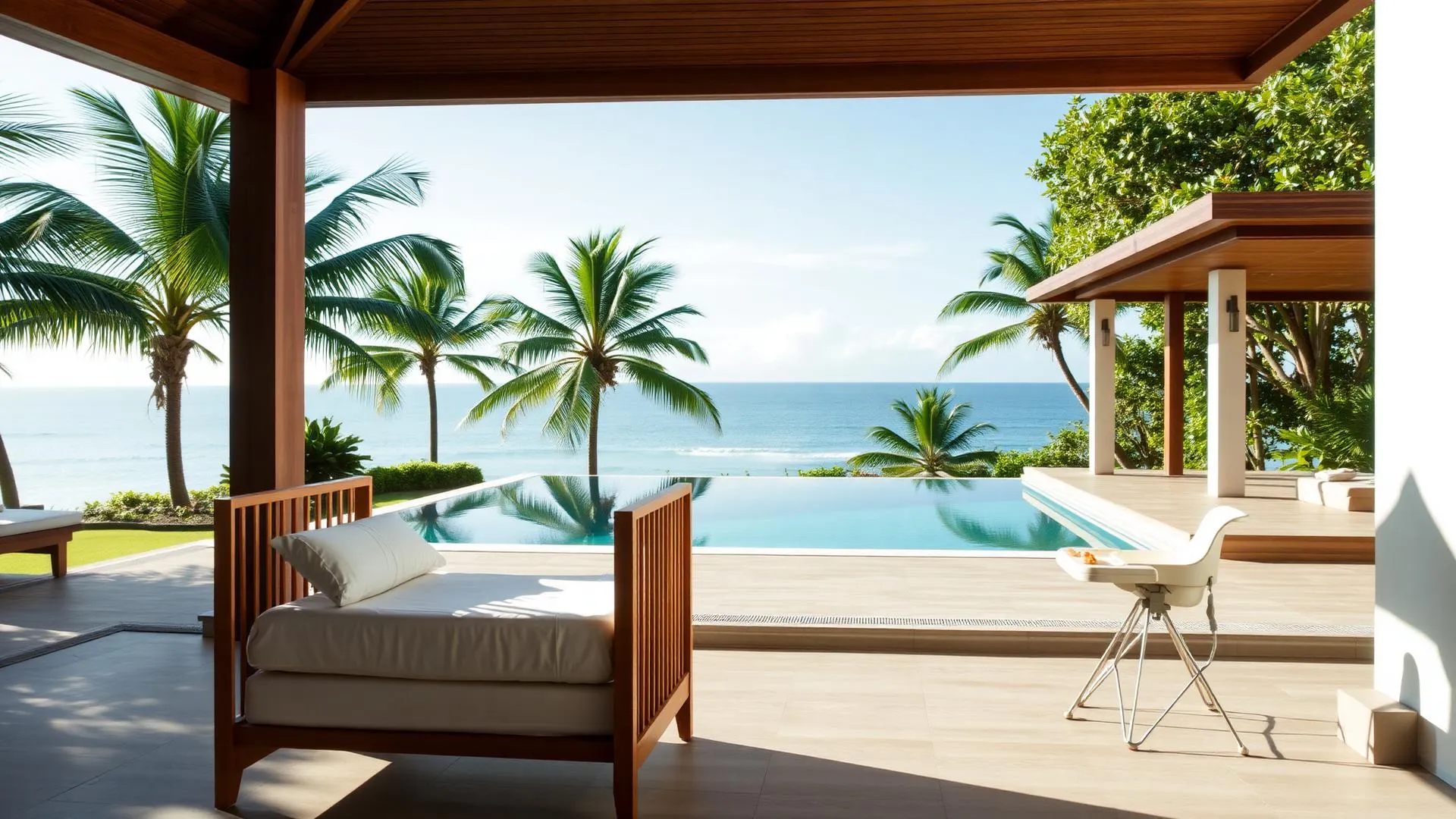
Bali possède l'un des marchés de villas les plus matures au monde. Le choix est énorme — des modestes villas avec piscine à Canggu aux immenses domaines au sommet des falaises à Uluwatu et aux retraites au sommet des crêtes à Ubud. L'ambition en matière de design est élevée, et Bali a produit certaines des architectures tropicales les plus emblématiques d'Asie.
L'ampleur du marché signifie que les normes de qualité et de gestion diffèrent considérablement, et la distance entre les régions (Canggu à Uluwatu peut prendre 1,5 à 2 heures dans le trafic) rend le choix de l'emplacement critique.
Koh Samui
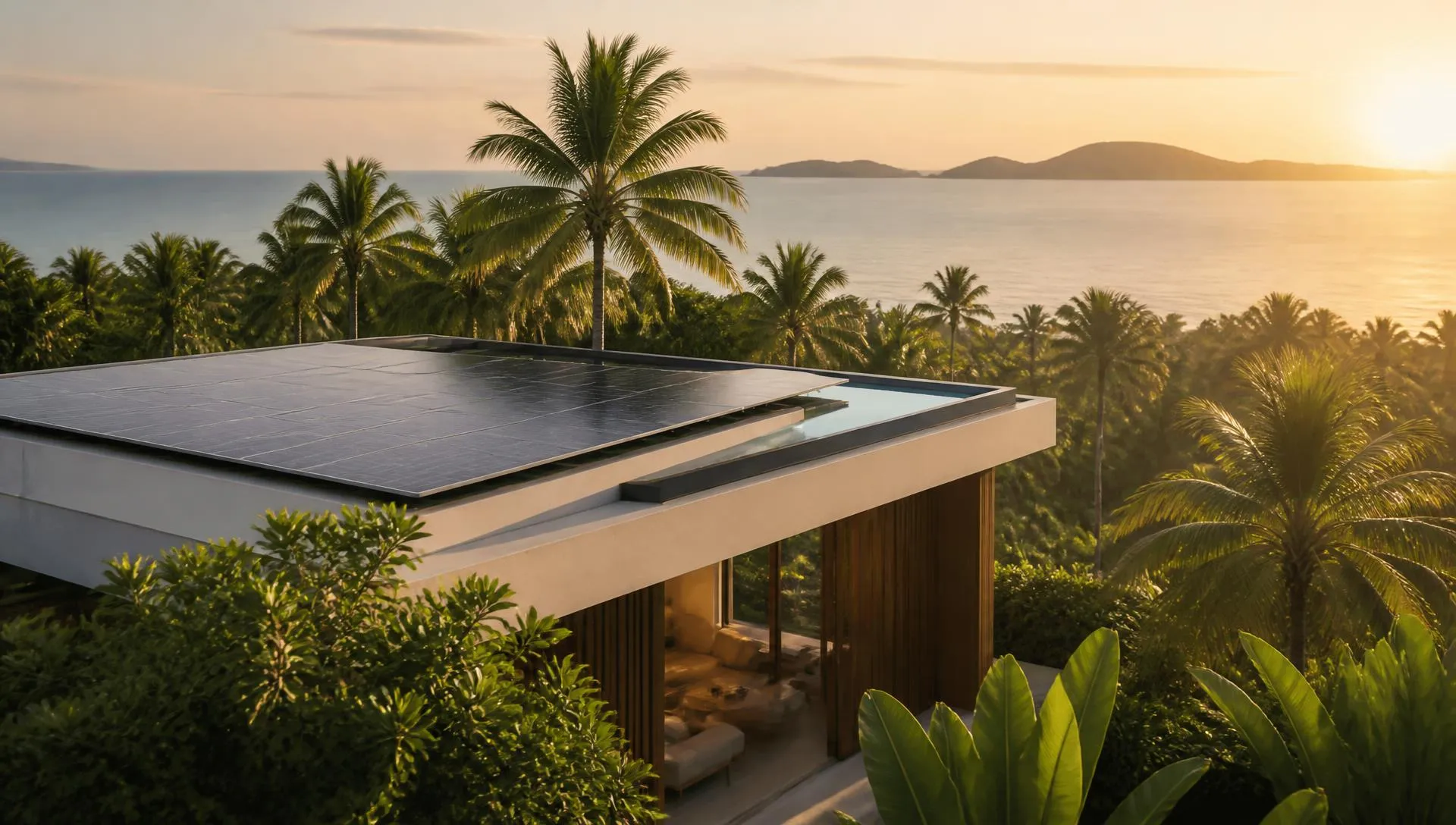
Le marché des villas de Koh Samui est plus petit et plus sélectif. La taille compacte de l'île signifie que tu es rarement à plus de 30 minutes de n'importe où, et l'inventaire a tendance à être plus cohérent. Des propriétés comme Sky Dream Villa offrent une ambition architecturale et un service qui rivalisent avec tout ce qui se fait à Bali, sans la complexité logistique.
L'avantage d'un marché plus serré est un écosystème de services plus étroit — les gérants de villas, les chefs, les chauffeurs et les équipes de conciergerie se connaissent et se coordonnent parfaitement. Des propriétés comme Paradise Villa Eden et Villa Orise dans Chaweng Noi reflètent cela — intimes, magnifiquement gérées et profondément connectées à leur environnement. C'est en partie la raison pour laquelle nous avons construit notre collection ici.
Restauration et vie nocturne
Bali
Bali gagne en variété et en énergie créative. Seminyak et Canggu ont l'une des scènes de restauration les plus excitantes d'Asie — cafés végétaliens, menus dégustation, clubs de plage (Potato Head, Finns, La Brisa), et une culture du café profondément ancrée. Ubud propose des restaurants axés sur le bien-être dans un cadre de jungle.
Si tu veux des vacances avec une culture gastronomique bouillonnante, des clubs de plage de classe mondiale et une vie nocturne variée, Bali offre un niveau que peu de destinations peuvent égaler.
Koh Samui
La scène gastronomique de Koh Samui est plus petite mais de plus en plus impressionnante. Fisherman's Village dans Bophut accueille un marché ambulant le vendredi soir et certains des meilleurs restaurants de l'île. La scène penche vers un luxe décontracté — cocktails au coucher du soleil, fruits de mer thaïlandais en bord de plage, et expériences de chef dans une villa privée.
La vie nocturne existe à Chaweng, mais le point fort de l'île est son atmosphère décontractée en soirée. La plupart des clients de nos villas préfèrent un dîner de chef privé sous les étoiles à une sortie nocturne, et Koh Samui répond parfaitement à cette préférence.
Culture, bien-être et excursions
Bali
La profondeur culturelle de Bali est l'une des qualités qui la définissent. Les temples hindous, les offrandes quotidiennes, les cérémonies, les danses traditionnelles et une tradition artistique séculaire donnent à l'île une texture spirituelle que peu de destinations tropicales peuvent égaler. Ubud est le centre de tout cela — retraites de yoga, arts de la guérison, fermes biologiques et ateliers d'artisanat.
Les excursions d'une journée comprennent les randonnées au lever du soleil du mont Batur, les visites de l'île de Nusa Penida, le temple aquatique de Tirta Empul et les rizières en terrasses de Tegallalang. Le calendrier culturel est riche tout au long de l'année.
Koh Samui
Le tissu culturel de Koh Samui est bouddhiste thaïlandais plutôt qu'hindou, et plus calme dans son expression. Les temples de Koh Samui — le Big Buddha, Wat Plai Laem, le moine momifié de Wat Khunaram — sont de véritables temples de travail plutôt que des chefs-d'œuvre touristiques. La scène du bien-être est plus petite mais de grande qualité, avec d'excellentes options de spa et de bien-être et de sérieux gymnases de muay thaï.
Les excursions d'une journée sont centrées sur les îles du Golfe — le parc marin Ang Thong (un superbe archipel de 42 îles), Koh Phangan pour le Full Moon Party, et Koh Tao pour la plongée. Les eaux plus calmes du Golfe rendent les excursions en bateau plus confortables, en particulier pour les familles.
Comparaison des conditions météorologiques
C'est là que les deux îles diffèrent le plus — et que de nombreux voyageurs commettent des erreurs.
- La saison sèche de Bali : de mai à octobre environ. De novembre à mars, les pluies et l'humidité sont régulières, en particulier dans le sud.
- La saison sèche de Koh Samui : de janvier à septembre sur la côte du Golfe. La saison humide est plus courte — principalement d'octobre à décembre — et la meilleure période pour visiter s'étend bien plus loin dans l'année que ce à quoi la plupart des gens s'attendent.
Les voyageurs qui visitent Bali en été (juin-septembre) et Koh Samui en début d'année (janvier-avril) profitent du meilleur des deux. Si tes dates tombent fin octobre, novembre ou décembre, aucune des deux n'est idéale — mais la saison des pluies de Bali a tendance à être plus importante que celle de Samui.
Pour s'y rendre
Bali
L'aéroport international de Denpasar reçoit des vols directs en provenance de toute l'Asie, de l'Australie et du Moyen-Orient, avec des liaisons sans escale depuis l'Europe et l'Amérique du Nord. C'est l'un des aéroports les plus fréquentés d'Asie du Sud-Est, avec des prix compétitifs.
Koh Samui
L'aéroport de Koh Samui est géré de manière privée par Bangkok Airways, ce qui signifie moins de liaisons et des tarifs généralement plus élevés. La plupart des visiteurs internationaux se connectent via Bangkok (1 heure de vol) ou volent depuis des hubs régionaux comme Singapour, Hong Kong, ou Kuala Lumpur. Voir notre guide des liaisons aériennes pour connaître les options actuelles.
Bali est généralement plus facile et moins cher à atteindre. Koh Samui nécessite un peu plus de planification — mais le petit aéroport et l'arrivée plus calme renforcent souvent le sentiment d'évasion.
Familles, couples ou groupes ?
- Familles avec de jeunes enfants : Koh Samui a l'avantage : une mer plus calme, des distances plus courtes, une circulation plus légère et un environnement plus contenu rendent les choses plus faciles à gérer avec les enfants.
- Bali offre des paysages plus spectaculaires pour les photos de lune de miel ; Koh Samui offre une intimité plus tranquille et une logistique plus facile.
- La taille compacte de Koh Samui simplifie la logistique des groupes — tout le monde reste proche les uns des autres grâce à des transferts courts.
- Surfeurs, yogis, nomades numériques : Bali gagne, l'infrastructure pour ces communautés est inégalée.
- Luxe tranquille et voyage guidé par le design : le mouvement du minimalisme thaïlandais de Koh Samui et la conception réfléchie des villas offrent une expérience architecturale plus soignée, sans les foules.
Notre point de vue honnête
Nous avons choisi Koh Samui — et nous ne prétendrons pas le contraire. Mais Bali est véritablement extraordinaire, et pour de nombreux voyageurs, c'est la bonne réponse.
Choisis Bali si tu veux de la profondeur culturelle, du surf de classe mondiale, la meilleure scène de cafés et de clubs de plage d'Asie, et si tu n'as pas peur de la circulation, des scooters et des centres animés comme faisant partie du package.
Choisis Koh Samui si tu veux une île plus calme, plus petite, plus facile, où le rythme ralentit dès ton arrivée, où l'eau est assez calme pour nager avec les enfants, et où ta villa semble choisie personnellement plutôt que suggérée par un algorithme.
Explore notre collection de villas pour voir pourquoi nous pensons que Koh Samui offre l'un des meilleurs séjours en villa en Asie. Ou contacte notre équipe — nous serons heureux de t'aider à prendre une décision, même si la réponse s'avère être Bali.
Questions fréquemment posées
Le golfe de Thaïlande offre des eaux plus calmes et plus chaudes pour la baignade, l'île est plus compacte (les trajets en voiture sont plus courts) et la circulation est nettement moins dense que dans les couloirs de Canggu, Seminyak ou Ubud à Bali.
Bali a tendance à être moins chère pour les voyageurs à petit budget, avec des frais de nourriture, de transport et d'hébergement d'entrée de gamme moins élevés. Au niveau des villas de luxe, les prix sont globalement comparables, bien que Koh Samui offre souvent un meilleur rapport qualité-prix au mètre carré et un service plus inclusif.
Bali gagne pour le surf — Uluwatu, Padang Padang et Canggu sont de classe mondiale. Pour la plongée, les deux sont forts : Bali offre Tulamben et Nusa Penida, tandis que Koh Samui permet d'accéder facilement à la Koh Tao, la destination d'apprentissage de la plongée la plus populaire de Thaïlande, et au parc marin de la Ang Thong.
La saison sèche de Bali s'étend approximativement de mai à octobre. La saison sèche de Koh Samui s'étend de janvier à septembre sur la côte du Golfe. Les deux se complètent bien — lorsque Bali est en saison des pluies (novembre à mars), Koh Samui est souvent le plus ensoleillé au début de l'année.
Oui, mais cela demande de la planification. Il n'y a pas de vols directs — la plupart des itinéraires passent par Bangkok, Singapour ou Kuala Lumpur, avec un temps de voyage total de 8 à 12 heures. Un itinéraire de deux semaines, avec une semaine sur chaque île, convient bien aux voyageurs qui veulent à la fois de l'énergie culturelle et un luxe tranquille.