March 27, 2026 · 12 min read · By Tim
Snorkeling & Diving in Koh Samui — Best Sites, Reef Conservation & Responsible Tips
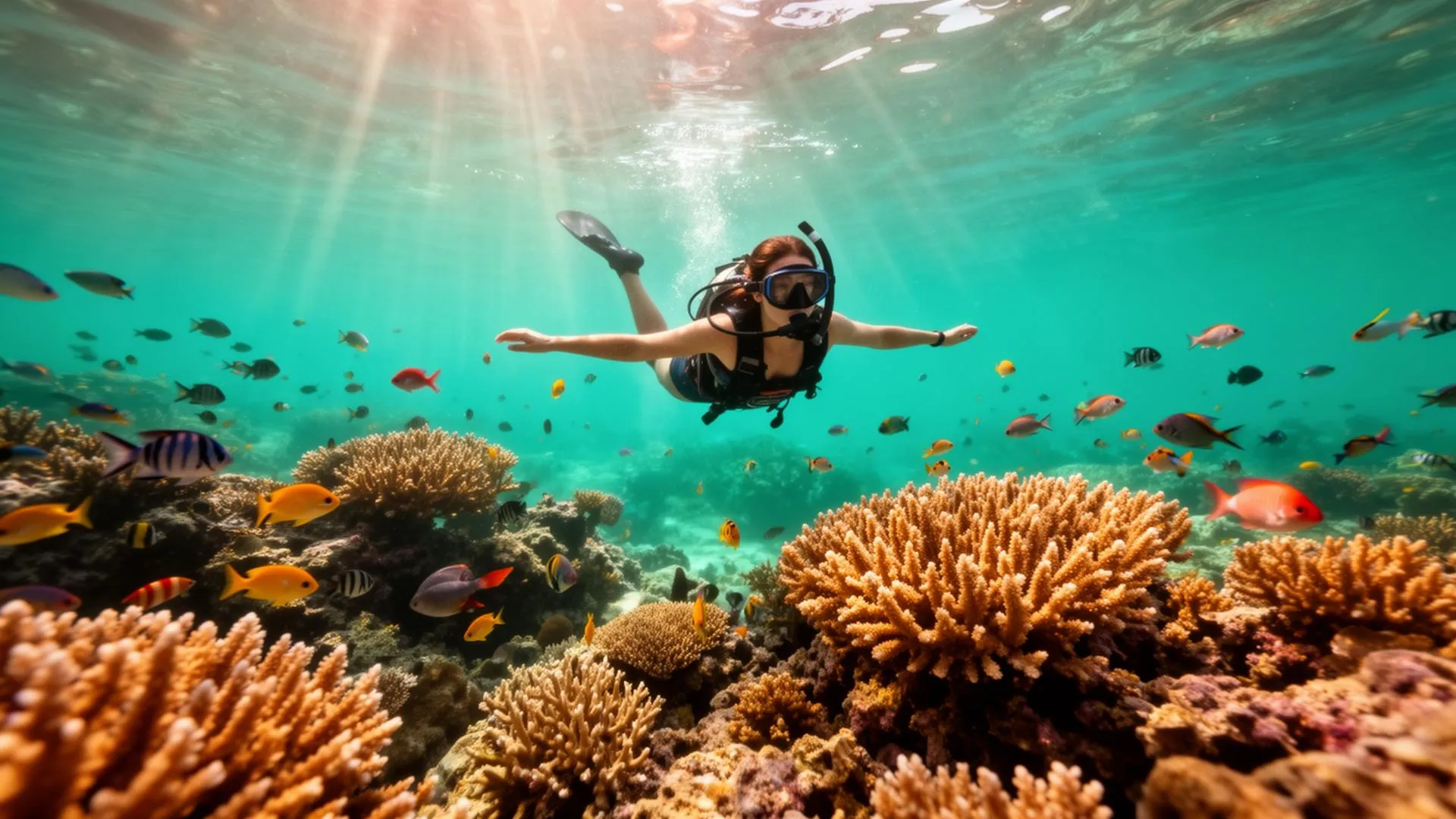
The waters around Koh Samui hold some of the Gulf of Thailand's richest marine life. Whether you are a confident diver chasing pelagic encounters or a first-time snorkeler dipping your mask below the surface, the island and its surrounding archipelago offer underwater experiences to match every level.
In this guide we cover the best snorkeling and diving sites around Koh Samui, explain how to reach them, and — just as importantly — explore what is happening to Thailand's coral reefs and how you can be part of protecting the beauty that makes these waters so special.
Best Snorkeling Spots Around Koh Samui
You do not need a boat or a dive licence to enjoy Koh Samui's underwater world. Several spots are accessible directly from the shore.
Silver Beach (Thong Ta Khian)
Tucked between Chaweng Noi and Lamai, Silver Beach is widely considered Koh Samui's best shore snorkeling site. Rocky outcrops on both sides of the small bay shelter a reef that starts just a few metres from the sand. Expect to see parrotfish, butterflyfish, blue-spotted rays and, if you are patient, the occasional reef squid.
Coral Cove
A short drive south of Chaweng, Coral Cove is a tiny crescent of sand between giant granite boulders. The underwater topography here creates channels and overhangs where small reef fish congregate. Visibility is best in the morning before afternoon winds pick up.
Choeng Mon
The headlands around Choeng Mon Beach hide pockets of healthy hard coral. This is a great option for families — the water is shallow and calm, and there is a handful of beachfront restaurants for a post-swim lunch.
Ang Thong Marine Park — By Boat
The crown jewel of snorkeling near Koh Samui is Ang Thong Marine Park, a protected archipelago of 42 limestone islands about an hour's boat ride from the northern coast. Shallow reefs between the islands are home to anemonefish, giant clams and reef sharks. Most operators run full-day tours that combine snorkeling with kayaking through hidden lagoons and hiking to panoramic viewpoints.
Top Dive Sites Near Koh Samui
For certified divers, Koh Samui serves as a luxury base for accessing some of the Gulf of Thailand's most exciting underwater terrain.
Sail Rock (Hin Bai)
Sail Rock is the undisputed highlight of diving from Koh Samui. This granite pinnacle rises from 40 metres depth to break the surface between Koh Samui and Koh Phangan. A vertical chimney — a swim-through passage inside the rock — is the signature experience. Outside, enormous schools of batfish, trevally and barracuda circle the pinnacle. Whale sharks appear between March and June.
Chumphon Pinnacle
About 90 minutes northwest of Koh Samui, Chumphon Pinnacle is a cluster of underwater granite towers encrusted with anemones. This deep site (15–36 m) regularly attracts bull sharks, whale sharks and massive grouper. It is best suited to Advanced Open Water divers.
Koh Tao Day Trips
While Koh Tao is famous as a budget-diver destination in its own right, it is easily reachable on a day trip from Koh Samui. Sites like Japanese Gardens, Twins and South-West Pinnacle offer vibrant shallow-to-mid-depth reef diving. Fast catamarans make the crossing in under two hours.
Southwest Pinnacle
Between Koh Tao and Koh Phangan, this submerged mountain is blanketed in purple and yellow soft corals. Schools of chevron barracuda often form tornado-like columns here — a sight that stays with you long after you surface.
Protecting the Beauty — Thailand's Coral Reefs Under Threat
Koh Samui's underwater world is breathtaking, but it is also fragile. And honesty matters: Thailand's reefs are in trouble.
Since 2022, repeated mass bleaching events driven by extreme marine heat waves have damaged reefs across the Gulf of Thailand and the Andaman Sea. Coast-to-coast surveys show that Thai reefs — home to more than 300 species of reef-building corals — are losing structural complexity. The branching corals that provide shelter for fish and invertebrates are being hit hardest.
Tourism pressure compounds the problem. Research published in _Coral Reefs_ has linked intensive snorkeling and diving activity to higher rates of coral breakage, tissue abrasion and disease. Boat anchoring, propeller wash and coastal construction add further strain through sedimentation and nutrient runoff.
A Coral Cryobank — Freezing Time for Dying Reefs
In a laboratory at Phuket Rajabhat University, scientists are working on an extraordinary response. As part of the global Coral Research & Development Accelerator Platform (CORDAP), molecular biologist Preeyanuch Thongpoo is building a "living seed bank" by deep-freezing the larvae and symbiotic algae of key coral species in liquid nitrogen at –196 °C.
The goal is genetic insurance: preserving the diversity that future reefs will need to recover. As Preeyanuch told Mongabay, the cryobank "buys us crucial time" — but without healthy oceans, it risks becoming "a storage unit for extinction."
Conservation scientist Petch Manopawitr stresses that cryobanking must sit within a broader strategy: improving water quality, regulating tourism impacts and empowering coastal communities to become guardians of the marine environment. In provinces like Chumphon and Ranong, community-led marine protection areas are already making a difference.
What Thailand Is Doing
Thailand has introduced several concrete measures in recent years:
- Temporary reef closures: Popular dive and snorkel sites in Koh Phi Phi, the Similan Islands and parts of the Samui archipelago are closed seasonally to allow reef recovery.
- Sunscreen regulations: Several marine parks, managed by Thailand's Department of National Parks, now prohibit sunscreens containing oxybenzone and octinoxate, chemicals known to accelerate coral bleaching.
- Community-managed marine areas: Local fishing communities in the Gulf are increasingly taking ownership of reef monitoring and protection, supported by government programmes.
- Coral nurseries: Underwater nurseries at Koh Tao and other Gulf islands actively cultivate resilient coral fragments for transplantation onto degraded reefs.
How to Be a Responsible Snorkeler and Diver
Sustainable luxury travel is not about giving up experiences — it is about enjoying them in a way that ensures they survive for the next generation. Here is how you can snorkel and dive in harmony with the reef:
Before You Enter the Water
- Choose reef-safe sunscreen: Look for mineral-based formulations using zinc oxide or titanium dioxide. Avoid anything containing oxybenzone, octinoxate or octocrylene. Better yet, wear a long-sleeve rash guard — it is the most effective sun and reef protection combined.
- Select a responsible operator: Ask whether the company follows Green Fins guidelines, uses permanent mooring buoys instead of anchors, and limits group sizes. Your villa manager can recommend operators we trust.
- Check conditions: Do not snorkel or dive over shallow reefs at low tide. Your fins and body can cause damage even with the best intentions if there is not enough clearance.
In the Water
- Maintain buoyancy control: For divers, this is the single most important skill for reef protection. Practise in open water before approaching the reef. For snorkelers, wear a flotation vest if needed — it keeps you horizontal and prevents standing on coral.
- Never touch, stand on or collect coral: Even light contact can damage coral tissue that took decades to grow. Keep your fins clear of the bottom and avoid kicking up sediment.
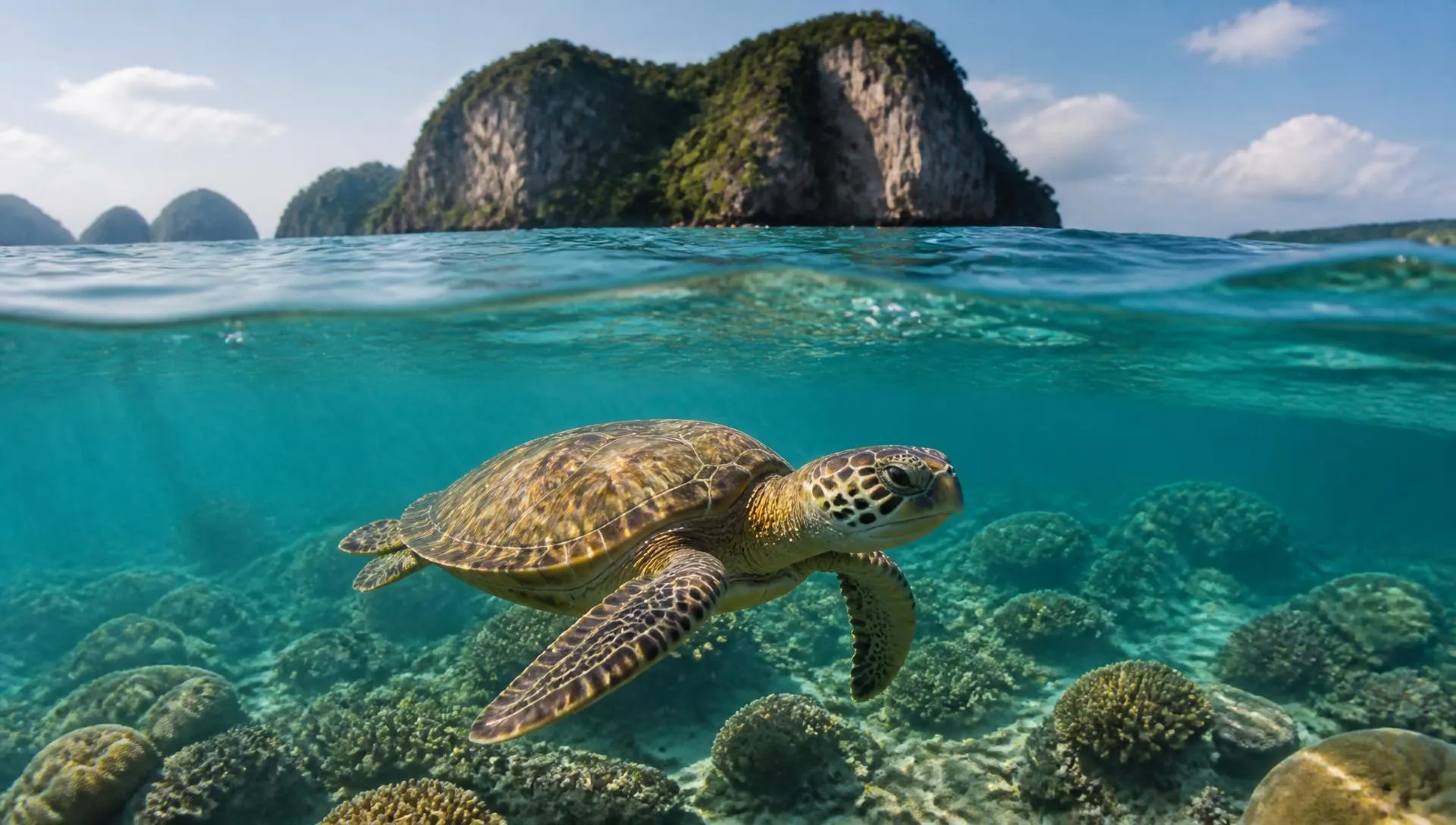
- Keep a respectful distance from marine life: Do not chase, ride or feed animals. A turtle that flees from a snorkeler burns energy it cannot easily replace.
- Carry nothing but memories: Do not remove shells, coral fragments or starfish. Every piece of the reef ecosystem has a function.
After Your Dive
- Skip the seafood buffet: Overfishing is one of the biggest local pressures on reef ecosystems. Choose restaurants that source sustainably and avoid endangered species.
- Share, don't shame: If you see reef damage, share your experience constructively. Raising awareness helps — but moralising rarely does.
- Support conservation directly: Several organisations on Koh Samui and Koh Tao accept volunteers and donations for reef monitoring and coral nursery work.
Planning Your Underwater Adventure from a Villa
One of the advantages of staying in a private villa on Koh Samui is flexibility. Unlike resort guests on fixed schedules, you can time your snorkeling and diving around the best conditions — heading out at dawn when visibility peaks and the reefs are empty, and returning to your own pool and terrace by lunch.
Our properties in Chaweng Noi sit just 10 minutes from Silver Beach and Coral Cove — two of the island's best shore snorkeling sites. For deeper excursions, our team can arrange private boat charters to Sail Rock or Ang Thong, complete with a PADI instructor if you want to combine the day with a Discover Scuba experience.
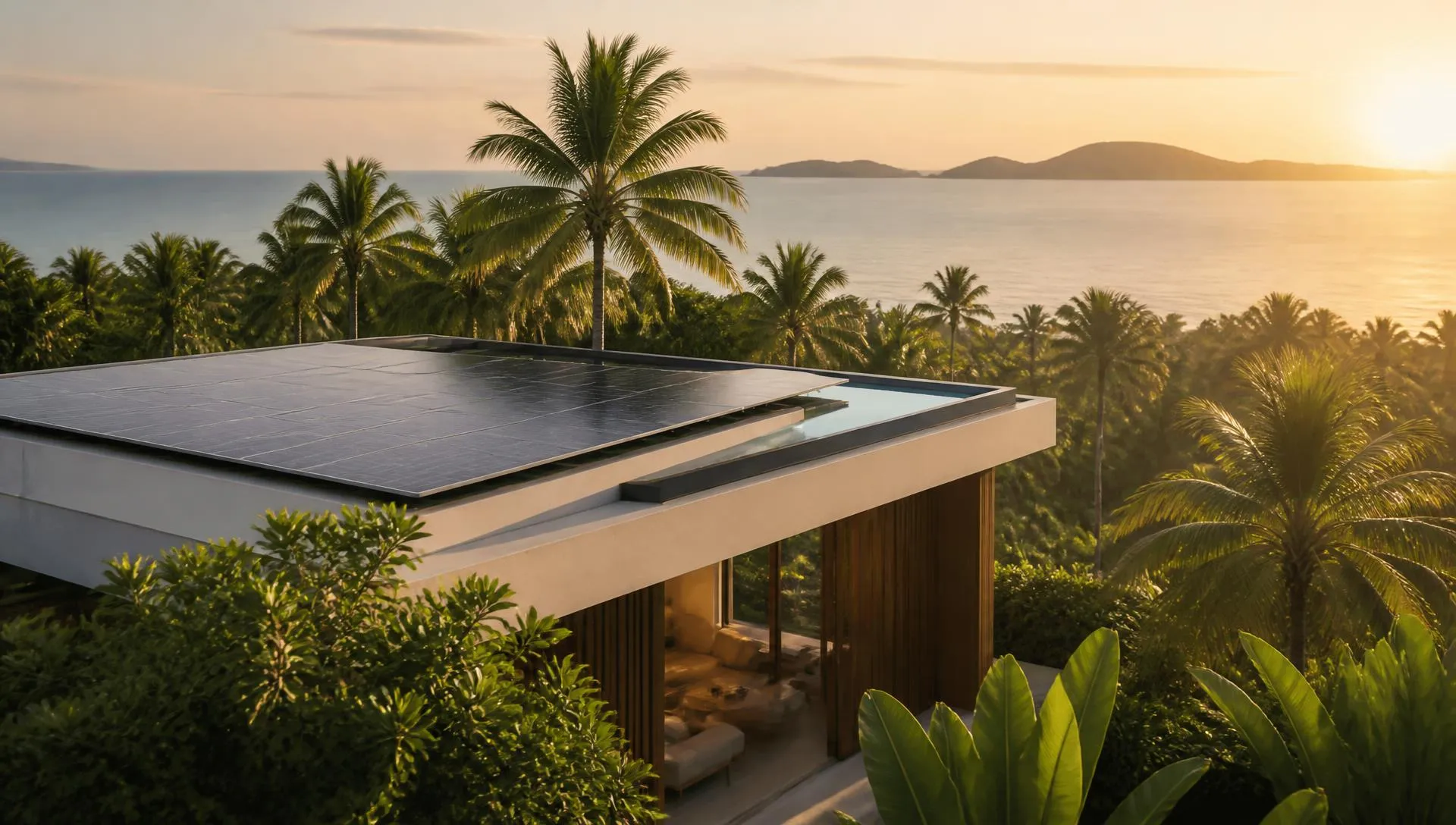
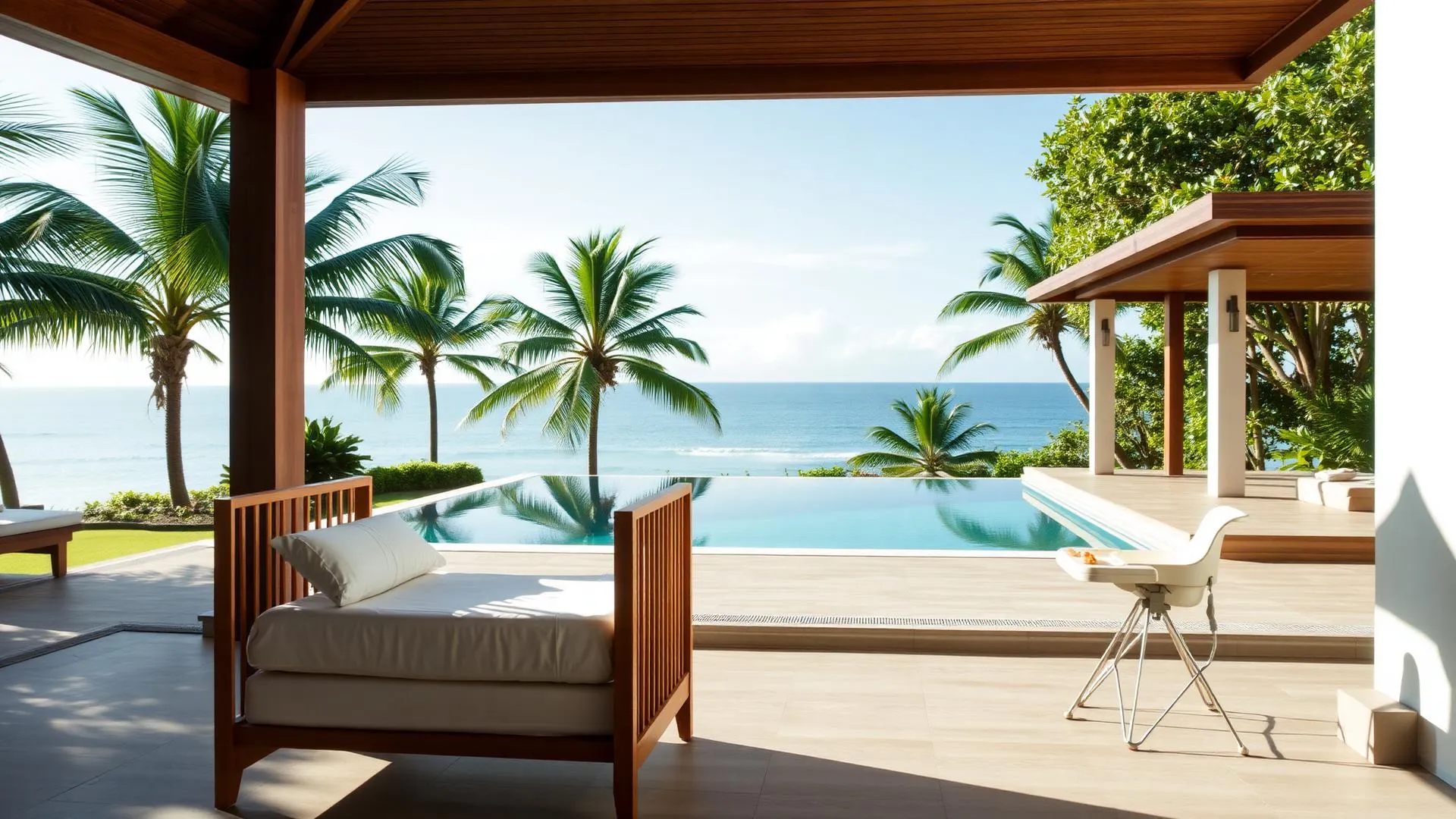
Villas like Sky Dream Villa and Paradise Villa Eden offer unobstructed ocean views and private infinity pools — the perfect way to decompress after a morning underwater. Meanwhile, Villa Ann provides a tranquil, family-friendly base for multi-generational groups who want to mix snorkeling days with lazy afternoons by the pool.
Best Time for Snorkeling and Diving Around Koh Samui
| Period | Conditions | Best For |
|---|---|---|
| March – June | Calm seas, best visibility (15–25 m), warm water (29–30 °C) | Peak diving & whale shark season |
| July – September | Good conditions, occasional afternoon showers | Excellent diving, fewer crowds |
| October – November | Monsoon transition, variable visibility | Shore snorkeling on sheltered west coast |
| December – February | East coast can be choppy, west coast calm | Day trips to Ang Thong, Sail Rock |
The Gulf of Thailand's dive season is essentially the inverse of the Andaman coast — when Phuket shuts down its dive sites in monsoon season (May–October), Koh Samui is at its best.
Protecting the Beauty Starts With Each of Us
Thailand's underwater world is not just a backdrop for holiday photographs. It is a living, breathing ecosystem that sustains coastal communities, fisheries and the island's entire economy. The reefs around Koh Samui have survived millions of years of change — but the pace of current threats is unprecedented.
The good news is that every responsible snorkeler and diver makes a tangible difference. By choosing sustainable luxury travel, supporting conservation efforts and following simple in-water etiquette, you help ensure that the coral gardens, reef sharks and sea turtles of the Gulf of Thailand remain for generations to come.
Frequently Asked Questions
The best visibility and calmest seas around Koh Samui are from March to September, with April to June offering peak conditions. Diving is possible year-round, but the east coast can be choppy from November to January.
Absolutely. Several shore-accessible sites like Silver Beach and Coral Cove are ideal for first-time snorkelers. For diving, PADI Discover Scuba programmes let complete beginners try a guided reef dive in a single day.
Koh Tao is famous for its dive schools and budget-friendly courses, but Koh Samui offers excellent diving at sites like Sail Rock and Ang Thong without the backpacker crowds. Many guests use Samui as a luxury base and do day trips to the region's best dive sites.
Thailand's reefs have been affected by mass bleaching events since 2022, and some sites around Koh Samui show visible damage. However, active conservation efforts — including coral cryobanking and community-led marine protection — are working to reverse the decline. Visitors can help by choosing reef-safe sunscreen and following responsible snorkeling practices.
A two-dive day trip to Sail Rock or Ang Thong typically costs 3,500–5,500 THB including equipment. PADI Open Water certification courses range from 12,000 to 16,000 THB over three to four days.